
What Is a Pre-Drywall Inspection? A Guide for New Construction in the Triad
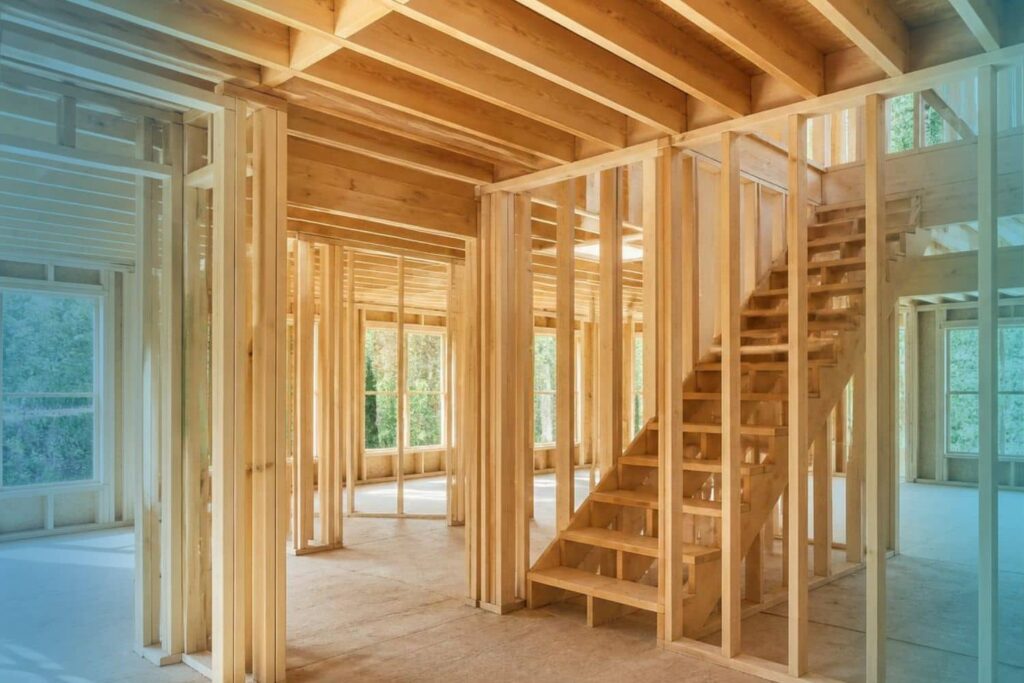
If you’re building a new home in Greensboro, High Point, or anywhere else in the Piedmont Triad, a pre-drywall inspection is your one real chance to see the framing, wiring, and plumbing before the walls close over them for good. It happens after the rough-in work wraps up but before insulation and drywall go on, so an inspector gets clear access to everything that’s about to disappear. Q&A Home Inspections performs pre-drywall inspections across Central North Carolina, and this guide covers what gets checked, when to schedule it, what it costs, and what happens if you skip it.
What Does a Pre-Drywall Inspection Check?
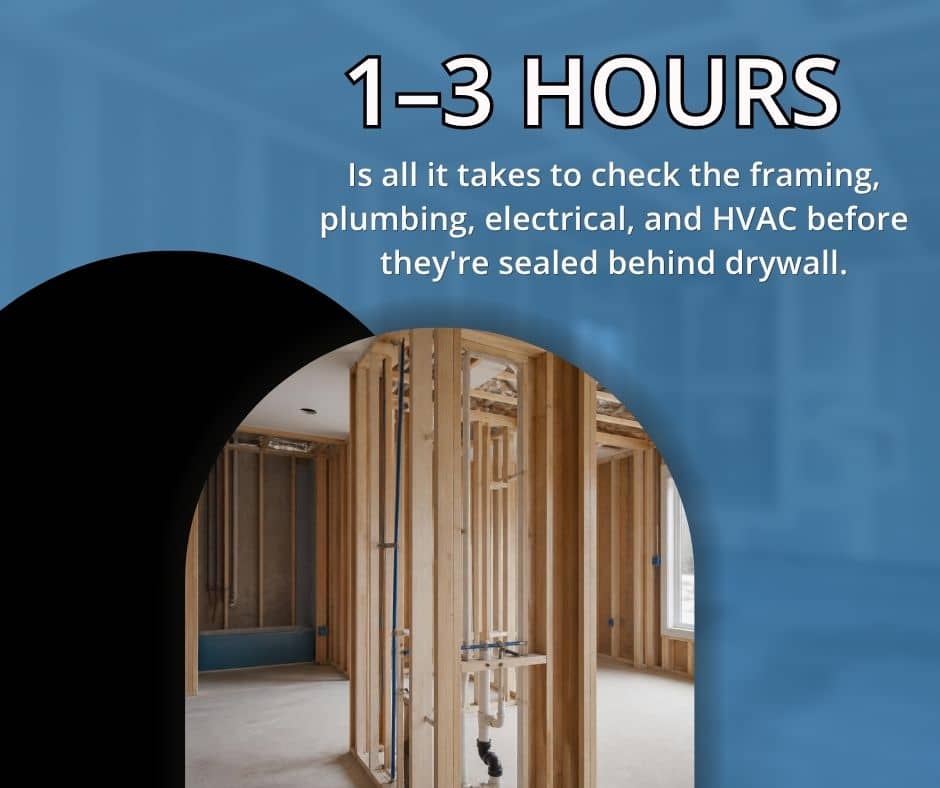
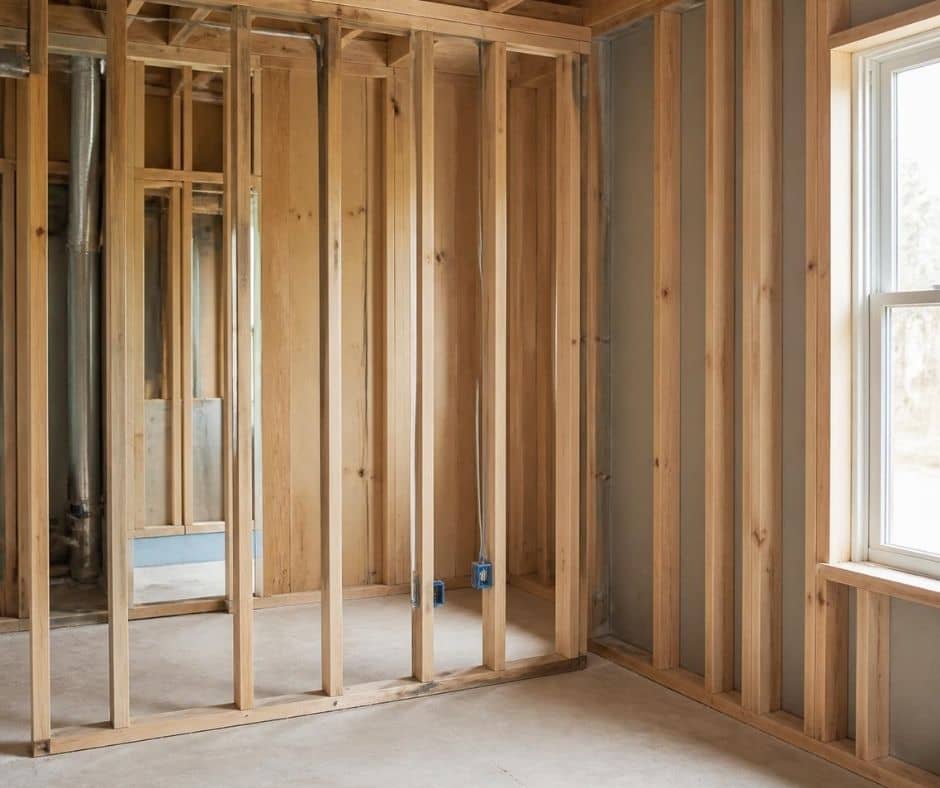
A pre-drywall inspection checks the framing, plumbing, electrical, and HVAC systems while they’re still exposed, before insulation and drywall cover them for the life of the house. Once the walls close, these systems are essentially locked away. Any mistake made now stays hidden until it causes a problem, often years down the road.
During the visit, your inspector walks the whole structure and looks at:
- Framing and structure: wall studs, floor joists, roof trusses, and load-bearing connections, checked for proper spacing, fastening, and notching
- Plumbing rough-in: pipe sizing, drain slope, vent stack placement, and support brackets
- Electrical rough-in: wire gauge, box placement, grounding, and panel layout
- HVAC rough-in: duct routing, equipment sizing, and return air placement
- Insulation and air sealing: gaps or missing sections that hurt energy efficiency once drywall goes up
Piedmont clay soil and Triad humidity add a local wrinkle. Homes here need solid vapor barriers and properly sloped drain lines, or moisture problems show up in the crawl space and walls within a few years. Catching a poorly sloped drain now costs a plumber a few minutes. Catching it after drywall means tearing out a wall.
When Should You Schedule a Pre-Drywall Inspection?
Schedule your pre-drywall inspection after every trade finishes rough-in work but before insulation and drywall go up. That window can be as short as a few days, so timing matters more than almost anything else about the process.
Here’s how to stay ahead of it:
- Ask your builder’s site supervisor for the projected rough-in completion date as soon as framing starts.
- Notify your builder in writing that you’re bringing in a third-party inspector, and request the access date. Most reputable builders coordinate this without pushback once they know it’s coming.
- Call to book your inspection at least a week or two ahead. Active construction seasons in the Triad fill inspector calendars fast.
- Plan to be present if you can. Walking the site with your inspector is genuinely useful, especially if this is your first new build.
If insulation goes in before your inspection happens, some of the work is already covered, but it’s still worth doing. A trained inspector can catch plenty even after that point.
How Much Does a Pre-Drywall Inspection Cost?
A pre-drywall inspection typically costs $300 to $600 for a standard single-family home, with the exact price driven mainly by square footage. Larger homes and more complex floor plans push the number higher because there’s simply more to walk and document.
| Home Size | Estimated Cost Range |
|---|---|
| Under 1,500 sq ft |
$250–$350 |
| 1,500–2,500 sq ft |
$350–$475 |
|
2,500–3,500 sq ft |
$450–$575 |
| 3,500+ sq ft |
$575–$700+ |
That cost is small next to what a missed defect turns into later. A framing or plumbing fix caught before drywall usually runs a builder a few hundred dollars. The same fix after the walls are finished, once you factor in demolition, repair, and repainting, can run $2,000 to $10,000 or more depending on where the problem is and how far it’s spread.
What Happens If You Skip a Pre-Drywall Inspection?
Skipping a pre-drywall inspection means any framing, plumbing, or electrical mistake gets sealed behind the walls with no record of it. City building inspectors do check the home during construction, but their job is code compliance on a tight schedule across many job sites. They’re not evaluating whether the work is well executed, just whether it’s technically legal.
A third-party inspection catches the difference between passing code and being built well. Without it, problems often stay invisible until they show up as sticking doors, cracked drywall, uneven floors, or a plumbing leak, sometimes after your builder’s warranty has already run out. At that point, you’re paying for both the repair and the demolition it took to find the problem.
Related Questions to Explore
How long does a pre-drywall inspection take?
Most pre-drywall inspections take one to three hours for an average-size home. Larger homes, custom floor plans, or complex mechanical systems can push that closer to four or five hours. If a plumbing rough-in issue turns up during the visit, it’s worth understanding common plumbing failure points in NC homes so you know what to watch for later, too.
Will my builder allow a third-party pre-drywall inspection?
Most reputable builders allow it, especially when you give advance notice and coordinate through the site supervisor. A builder who refuses outright, or claims it voids your warranty, is worth raising with your real estate agent before you move forward. Contact us if you’d like help drafting the notice to your builder.
What’s the difference between a pre-drywall inspection and a final walk-through?
A pre-drywall inspection checks systems while they’re still exposed, and a final walk-through checks the finished home before closing. They cover different windows in the build and catch different kinds of problems, which is why buyers who can afford both usually schedule each one. Our real estate inspection services cover that final walk-through.
Can problems still be caught after insulation goes in?
Yes, though it’s harder. Insulation covers some framing and wiring details, but an inspector can still evaluate most structural and mechanical elements and spot obvious issues. It’s still worth scheduling even if the timing slipped.
Does my new home need a pre-drywall inspection if the city already inspects it?
Yes. City and county building inspectors verify minimum code compliance, not build quality. North Carolina’s own Standard of Practice for Pre-Drywall Home Inspection spells out the more detailed scope a licensed home inspector covers, which goes well beyond a code check.
When to Call a Professional
If your builder has confirmed rough-in is complete and drywall is scheduled within the next week or two, it’s time to call a licensed inspector. This isn’t a DIY walk-through. Spotting a wire run that’s routed wrong or a drain pipe with the wrong slope takes training most homeowners don’t have.
Q&A Home Inspections performs pre-drywall inspections throughout Greensboro, High Point, Winston-Salem, and the rest of Central North Carolina. We document every finding with photos and a written report you can hand your builder directly, giving you a paper trail if anything needs to be revisited later. For more on what a certified inspector looks for on any new build, InterNACHI’s guide to pre-drywall inspections is a useful reference too.
Conclusion
A pre-drywall inspection is a narrow, one-time window to see everything that’s about to disappear behind your walls. A few key takeaways:
- Schedule it after rough-in is finished but before insulation and drywall go up, and notify your builder early.
- Expect to pay $300–$600 nationally, a fraction of what a missed defect can cost after the walls close.
- City code checks aren’t a substitute. A third-party inspection evaluates quality, not just legal minimums.
If you’re building or buying new construction anywhere in the Triad, schedule a pre-drywall inspection with Q&A Home Inspections before your builder closes the walls.