
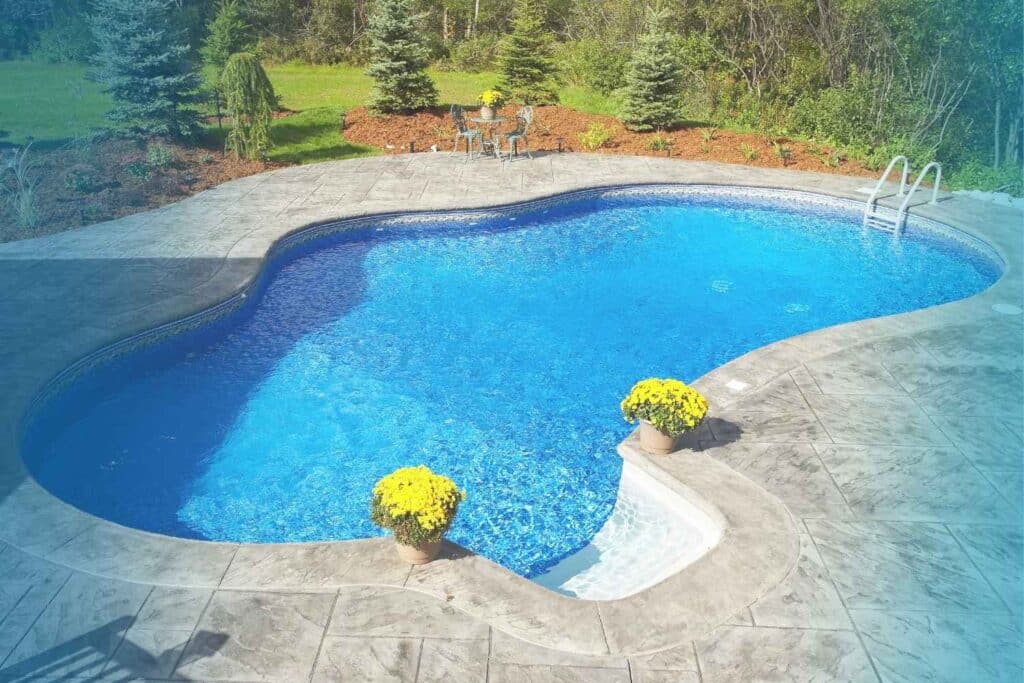
What Does a Swimming Pool Inspection Cover in NC?
A swimming pool inspection checks the shell and decking. It also covers the plumbing, pumps, filters, electrical and bonding, heater, automation, safety barriers, and basic water chemistry. This is a separate service from a general home inspection. It’s not an add-on your inspector glances at on the way to the electrical panel. At Q&A Home Inspections, we see two reasons this matters most in the Triad. Many local pools predate today’s fencing and electrical code, and pool listings tend to move fast during the spring and summer rush. Here’s what a real pool inspection covers, what a standard home inspection leaves out, and the problems we find most often in Central North Carolina.
What a Standard Home Inspection Does (and Doesn’t) Cover
A general home inspection does not include a full pool or spa evaluation. Standards from the American Society of Home Inspectors treat pool and spa inspections as a separate scope. Inspectors only perform them when a client specifically requests one, and the checklist looks different from a standard house inspection.
In practice, a generalist inspector may confirm the pool holds water. They may glance at the equipment pad. But they typically won’t pressure-test the plumbing, check bonding continuity, or measure the fence latch height. That’s not a knock on home inspectors. A house alone brings a roof, framing, electrical, plumbing, and mechanical systems to cover in just a few hours, and the pool competes for that same time. Most home inspection agreements list pools and spas as a limitation or exclusion for exactly this reason.
That split shows up in how inspection companies structure their services, including ours. A home inspection and a pool inspection are two different appointments with two different checklists. Asking for “a home inspection” alone won’t automatically get the pool checked.
If you’re buying or selling a home in the Triad, our home inspection covers the house itself in depth: roof, foundation, electrical panel, plumbing, HVAC, and the rest of the major systems. For the pool, ask for the dedicated service up front. Don’t assume it’s included. Our guide on why NC buyers need a pre-purchase home inspection shows you how to build that request into your offer timeline, so it doesn’t get missed in the rush to close.
Why Pool Inspections Matter in North Carolina
Two local factors push pool inspections from “nice to have” to “don’t skip this.” Homeowners and buyers across Greensboro, High Point, and the rest of the Triad both run into this.
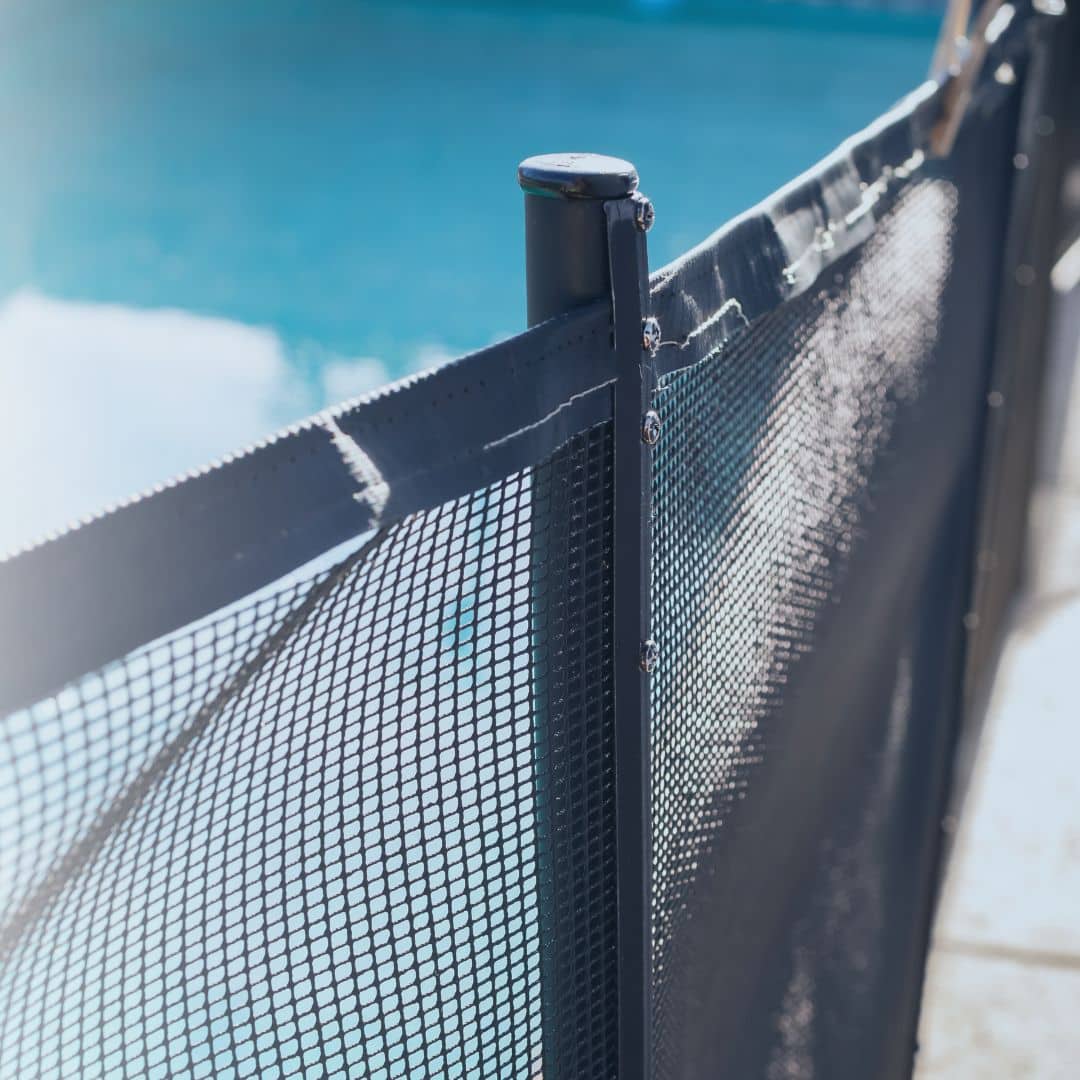
Older pools, newer code. North Carolina’s building code sets pool barriers at a minimum of 48 inches high. It also requires self-closing, self-latching gates, with latches placed high enough to keep young children from reaching them. Electrical work around pools must meet bonding and GFCI requirements, which prevent stray voltage in the water. Owners installed plenty of Central North Carolina pools years, sometimes decades, before these requirements existed. A fence or gate can stay grandfathered in and never get updated to current standards. An inspection is often the first time anyone checks whether the barrier and wiring would pass under today’s rules, not the rules from when the pool went in.
Timing pressure. Pool listings tend to spike heading into spring and summer. That’s exactly when buyers want to close fast and start using the pool the same season. This urgency is exactly when sellers and buyers treat a pool inspection as optional, something to skip to save a few days on the closing timeline. Skipping it doesn’t remove the risk sitting in the pool shell, the wiring, or the fence. It just moves the discovery date to after closing, when the new owner absorbs the full cost of fixing it.
Age of the local housing stock. Builders put up a large share of Triad homes well before current pool codes existed. Owners often add or renovate pools on a completely different timeline than the house itself. That mismatch is exactly why a pool needs its own look, instead of riding along on the general home inspection.
Pool and spa safety is not a minor concern either. The CDC’s Healthy Swimming program notes that inspections play a core role in preventing illness and injury tied to pools and spas. That’s exactly the kind of hidden risk a pre-purchase or annual inspection is built to catch, before it becomes a problem for your family or the next buyer.
What a Dedicated Swimming Pool Inspection Actually Covers
A thorough pool and spa inspection walks through nine areas of the pool system:
- Structure and shell. The inspector checks for cracks, stains, delamination, or settling in the pool surface, whether it’s gunite, vinyl liner, or fiberglass.
- Decking and coping. The inspector looks for heaving, cracking, or trip hazards around the pool edge. This is common where NC clay soil shifts with the seasons and settles unevenly under concrete decking.
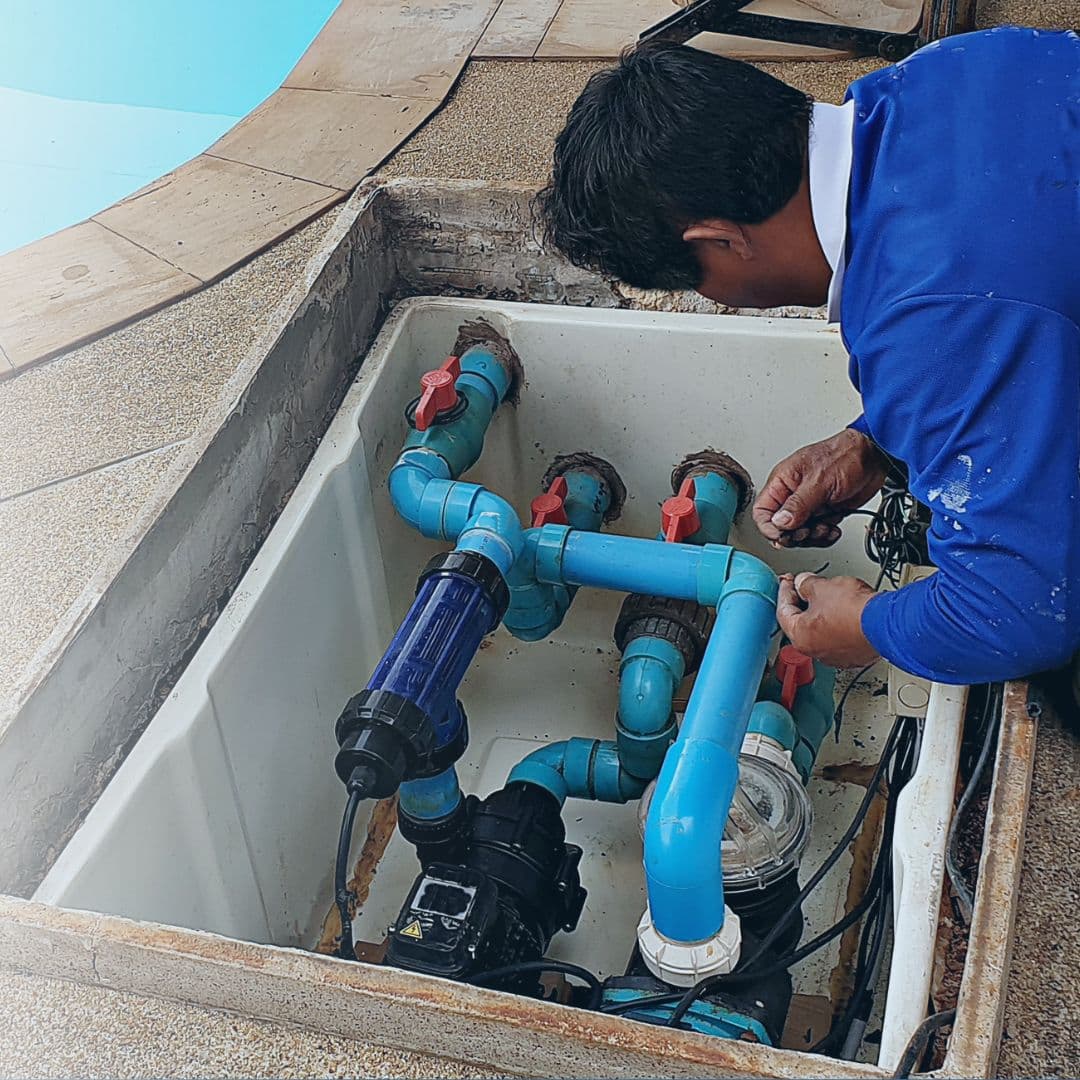
- Plumbing and circulation. The inspector checks for leaks and flow issues, and confirms the skimmer and return work properly.
- Filtration and pumps. The inspector notes the condition, age, and performance of the filter and pump system, and confirms the equipment matches the pool’s actual size.
- Electrical and bonding. The inspector checks GFCI protection, grounding, and bonding on ladders, handrails, pump housings, and other metal components near the water.
- Heaters. The inspector checks the operation and safety of any gas or electric pool heater, including venting and shutoff function.
- Automation and controls. The inspector tests timers, automated covers, salt systems, and control panels, if present.
- Safety barriers. The inspector checks fence height, gate self-closing and self-latching hardware, and alarm function against current code, rather than assuming it’s compliant.
- Water chemistry basics. The inspector runs a general check of clarity and balance. This doesn’t replace ongoing pool service testing or a pool company’s regular maintenance visits.
This list runs longer than most buyers expect. Many assume “the inspector already looked at the pool” during a standard walkthrough. A real pool inspection gives each item its own line in the report, with photos and notes, the same way a roof or foundation would.
Common Findings in NC Pool Inspections
A few issues show up again and again in Central North Carolina pool inspections. Most of them are fixable once someone finds them:
- Settling or cracked decking. The Piedmont’s clay-heavy soil expands and contracts through rain and drought cycles, and the decking shifts with it.
- Non-compliant fencing or gates. Self-latching hardware often fails, gets removed, or stays propped open so long that nobody remembers it was supposed to self-close.
- Missing GFCI protection or bonding gaps. These show up most in pools installed before the current electrical code took effect.
- Worn pumps and filters. Aging equipment reduces circulation and water clarity, often past its expected service life.
- Slow leaks. Owners usually notice these first as a higher-than-normal water bill or a damp, soft spot near the equipment pad, rather than anything visible in the pool itself.
- Aging or missing anti-entrapment drain covers. This safety item is worth confirming on any older pool that hasn’t had its equipment updated recently.
None of these are automatic deal-breakers. A buyer can negotiate on them, and a seller can fix them ahead of listing, once someone finds them instead of discovering them after the sale closes.
Related Questions to Explore
Does a pool need its own inspection when buying a house in NC? Yes. A general home inspection doesn’t fully evaluate the pool structure, equipment, or safety barriers. Buyers in the Triad should request a dedicated pool inspection alongside the standard home inspection. This matters most on older properties, where the pool predates current fencing and electrical code.
How much does a swimming pool inspection cost? Pricing depends on pool size and equipment. Contact Q&A Home Inspections for a quote specific to your property.
How long does a pool inspection take? A standalone pool inspection typically adds time beyond a home inspection. The inspector checks structure, equipment, electrical, and safety features separately from the house. Ask when you schedule, so you can plan your day and be present for any questions.
Can a pool pass everything else and still fail on the fence? Yes. Fencing and gate compliance are common fail points, even when the pool structure and equipment are in good shape. Barrier requirements have changed over the years, and older installations are often grandfathered in rather than upgraded.
Do I need a pool inspection every year, or only when buying or selling? An annual check is worth considering even outside a sale. Our guide on yearly home inspections for NC homes covers the same logic for the rest of the house. Pool equipment ages, barriers loosen, and small leaks grow, whether or not the property is changing hands.
When to Call a Professional
A few moments call for a professional pool inspection rather than a DIY look:
- Before you buy or sell a home with a pool. This way, surprises show up in negotiations instead of after closing.
- Before opening season each year, especially on an older pool that hasn’t had a professional check recently.
- After a storm, flood, or hard freeze, when a quick visual check can easily miss hidden cracking or equipment damage.
- After any pool work done without a permit, since unpermitted electrical or plumbing changes commonly cause the issues above.
If any of that sounds like your situation, get a licensed inspector to take a real look. Don’t just guess and hope the pool matches current code.
Conclusion
A swimming pool inspection covers the structure, plumbing, electrical, safety barriers, and equipment. It’s separate from a standard home inspection. In the Triad, older pools built before current code, plus fast-moving pool-season listings, make that extra step worth the time. This holds whether you’re closing on a house or just opening the pool for another summer.
Q&A Home Inspections offers dedicated pool and spa inspection services across Greensboro and the Triad. If you’re buying, selling, or just want peace of mind before the season starts, schedule an inspection today.