
Common Drywall Textures Inspectors See & Why They Matter
Drywall textures show up in nearly every home inspection. While many homeowners see them as a design choice, inspectors view drywall textures as part of the home’s overall condition story.
Texture can influence what inspectors can see, what they document, and when they recommend further evaluation.
For buyers, drywall textures can raise questions about repairs, moisture issues, or renovation quality. For sellers, these same textures can affect how inspection findings are perceived.
This guide explains the most common drywall textures found during home inspections, why they matter, and what homeowners should know.
Why Drywall Textures Matter During a Home Inspection
Drywall textures matter because they affect visibility, repair quality, and how inspection findings are documented.
During a home inspection, inspectors rely heavily on visual observations. Walls and ceilings make up a large portion of the interior, so their condition plays a major role in the final report.
As a result, drywall textures can either highlight defects or make them harder to detect. In many cases, texture helps hide minor imperfections from everyday view.
However, the same texture can also mask signs of deeper issues, such as previous water damage or rushed repairs. This is why inspectors note both the texture type and any visible irregularities.
Many older homes feature outdated or layered drywall textures that reflect past renovations. Inspectors often use texture style as one clue when estimating when changes were made.
What Home Inspectors Look for Beyond the Texture
Inspectors focus on wall condition, consistency, and signs of underlying problems.
Texture alone is not a defect. Inspectors evaluate drywall surfaces for patterns that suggest issues beyond cosmetics. These include:
- Cracks that widen over time
- Repaired areas that do not blend with the surrounding texture
- Bulging or soft drywall that may indicate moisture
- Nail pops or fasteners pulling through drywall
- Uneven seams that suggest poor installation
Inspectors also compare walls across rooms. If one wall has a noticeably different texture or finish, it may point to a past repair.
Therefore, even when texture limits visibility, inspectors document concerns and explain what could not be fully assessed.
Below are examples of some of the most common drywall textures found in homes.
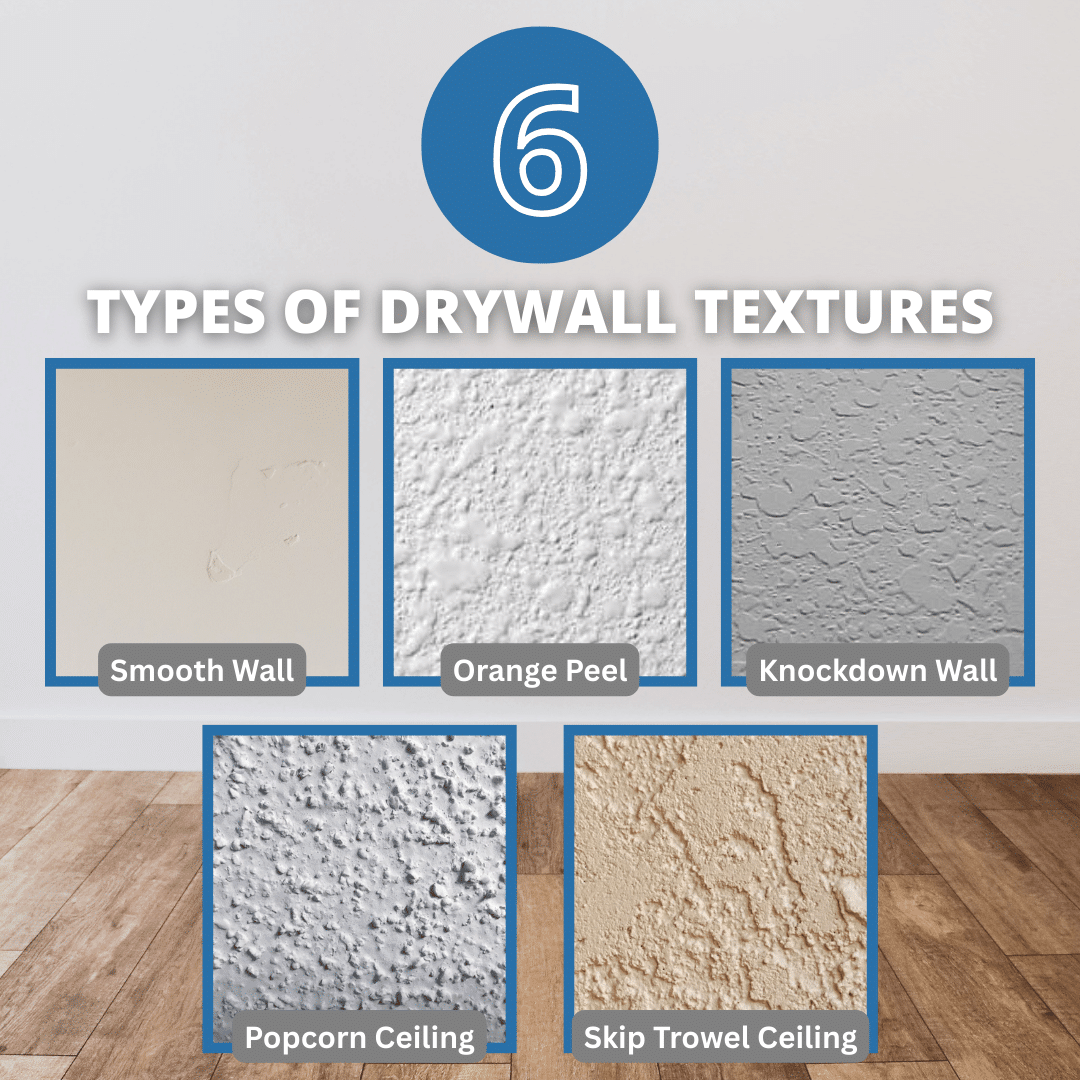
1. Smooth Wall Drywall Texture
Smooth walls make defects easier to spot but also highlight minor imperfections.
As a result, smooth drywall finishes are common in newer construction, remodeled spaces, and modern homes. They provide a clean look but leave little room for error.
Inspection Insights
Because smooth walls have no texture to hide flaws, inspectors can easily see:
- Hairline cracks near doors and windows
- Tape seams that were not finished properly
- Uneven drywall joints
While many cracks on smooth walls are cosmetic, inspectors still document them. This helps buyers understand whether repairs are likely related to settling, temperature changes, or workmanship issues.
Because of this, smooth walls also make moisture stains more obvious. Even faint discoloration often stands out, prompting inspectors to look closer at nearby plumbing or exterior walls.
2. Orange Peel Drywall Texture
Orange peel texture lightly masks flaws and is common in newer homes.
Orange peel texture has a fine, sprayed appearance. Builders often choose it because it applies quickly and hides minor surface defects.
What Inspectors Evaluate
Inspectors look for:
- Patch areas that do not match the surrounding texture
- Subtle discoloration from past leaks
- Texture buildup that suggests repeated repairs
Therefore, orange peel texture can make nail pops harder to see. Inspectors may use angled lighting or run a hand lightly along the surface to feel for irregularities.
This texture is popular because repairs can blend in well. However, that same benefit means buyers should rely on inspection notes rather than visual appearance alone.
3. Knockdown Drywall Texture
Knockdown texture can conceal workmanship issues if not applied carefully.
This texture is heavier than orange peel and has flattened peaks. It is widely used in homes built or renovated over the last few decades.
Common Inspection Concerns
Inspectors pay attention to:
- Uneven knockdown patterns
- Thick texture hides drywall seams
- Cracks that appear only at certain angles
Because of this, knockdown texture may conceal rushed drywall work, especially near ceilings or corners. When texture changes abruptly within the same wall, inspectors often note the area for further review.
4. Popcorn Ceiling Texture
Popcorn ceilings raise inspection concerns due to age, condition, and health risks.
Popcorn texture was widely used from the 1950s through the early 1980s. While many homes still have intact popcorn ceilings, inspectors approach them with caution.
The Environmental Protection Agency confirms that asbestos was commonly used in ceiling textures before 1980. As a result, inspectors may recommend testing before removal or disturbance.
What Inspectors Document
- Stains from roof or plumbing leaks
- Areas where the texture is crumbling
- Signs of previous scraping or patching
Popcorn ceilings also make it harder to see cracks or sagging. Inspectors focus on overall ceiling flatness and discoloration patterns to identify potential issues.
5. Trowel and Hand-Applied Ceiling Textures
Hand-applied textures vary in quality and can hide defects if poorly executed.
Skip trowel and other hand-applied textures are often used in custom homes or older properties. These finishes create visual interest but require skill to apply evenly.
Inspection Focus Areas
Inspectors evaluate:
- Consistency across surfaces
- Cracks that follow drywall seams
- Repairs that interrupt texture patterns
As a result, poorly applied texture can trap moisture or crack over time. Inspectors note any irregularities that suggest movement or water exposure beneath the surface.
Can Drywall Textures Hide Structural or Moisture Issues?
Yes, drywall textures can delay detection of underlying problems.
Thick or layered textures can conceal:
- Early foundation movement cracks
- Repaired water damage
- Improper drywall fastening
Inspectors rely on indirect indicators such as staining, odors, or surface softness. When visibility is limited, they may recommend monitoring or further evaluation by a specialist.
Moisture meters are sometimes used when staining or texture damage raises concern.
However, inspectors avoid invasive testing during standard inspections.

Should Buyers Be Concerned About Certain Drywall Textures?
Buyers should stay informed rather than alarmed.
Drywall texture alone rarely signals a serious problem. Buyers benefit most by understanding how texture affects inspection findings.
Smart Buyer Questions
- Are cracks cosmetic or structural
- Does texture hide a known repair
- Was further evaluation recommended
Therefore, understanding these points helps buyers prioritize repairs and negotiate confidently.
Drywall Texture Issues Sellers Should Address Before Listing
Addressing obvious drywall issues can improve inspection outcomes.
Sellers often overlook drywall because it seems cosmetic. However, visible cracks or mismatched textures frequently appear in inspection reports.
Pre-Listing Improvements
- Repair recurring cracks
- Blend mismatched patches
- Address moisture sources before repainting
Additionally, these steps help reduce inspection comments and improve buyer confidence without major renovation costs.
How Does a Professional Home Inspection Protect Buyers?
A professional inspection provides context, not just observations.
Home inspectors explain what they see and what they cannot see due to texture limitations. This guidance helps buyers understand the true significance of drywall findings.
Inspection reports typically include:
- Location-specific notes
- Photos of visible issues
- Recommendations when needed
As a result, this transparency helps buyers make informed decisions.
Common Drywall Textures and Inspection Considerations
|
Drywall Texture Type |
Common Location |
Inspection Focus |
|
Smooth Wall |
Walls and ceilings |
Cracks, seams, stains |
|
Orange Peel |
Walls |
Hidden patches, nail pops |
|
Knockdown |
Walls and ceilings |
Uneven texture, concealed cracks |
|
Popcorn |
Ceilings |
Moisture stains, asbestos risk |
|
Skip Trowel |
Walls and ceilings |
Consistency, hidden repairs |
Related Questions
Can drywall textures hide mold or water damage?
Yes. Texture may conceal staining, but moisture often leaves other signs, such as odors or soft drywall.
Do drywall textures affect home value?
Texture alone does not affect value, but poor repairs, moisture, or visible damage can.
Should popcorn ceilings be removed before selling?
Removal is optional and should be considered based on cost, condition, asbestos testing, and a pre-drywall inspection.
How do inspectors identify poor drywall repairs?
Inspectors look for texture changes, uneven surfaces, and paint inconsistencies.
Is wall cracking normal in older homes?
Minor cracking is common, but wide or growing cracks, especially from humidity, should be evaluated.
Conclusion
Drywall textures play a bigger role in home inspections than many homeowners realize. While texture often serves a cosmetic purpose, it can also influence how inspectors assess wall and ceiling conditions.
Understanding common drywall textures helps buyers interpret inspection reports and helps sellers prepare their homes more effectively.
A professional home inspection looks beyond surface appearance to provide clarity and peace of mind.
Therefore, if you are buying or selling a home, schedule an inspection with Q&A Home Inspections to better understand your property and move forward with confidence.