
Different Types of Roof Shingles and Their Common Defects
Your roof protects your home from rain, wind, heat, and moisture every day. Because of that, it plays a major role during a home inspection. Because of this, roofing issues are among the most common concerns noted in inspection reports.
In addition, many homeowners do not realize that the different types of roof shingles on a home directly affect what problems inspectors are most likely to find.
Some shingles wear out faster. Others hide damage until it becomes serious. Certain materials also create structural or insurance concerns.
This guide breaks down the different types of roof shingles commonly found on homes and explains the inspection issues tied to each one. You will also learn why these problems happen and how homeowners can reduce future risks.
What Are the Different Types of Roof Shingles Commonly Found on Homes?
In general, roof shingles vary by material, lifespan, and performance, which affects inspection results.
In North Carolina, asphalt shingle roofs are the most common type of roof as they are used in roughly 80% of residental roofing projects.
Roof shingles are installed in overlapping rows to shed water away from the roof deck.
While the goal is the same, the way each material handles humidity, heat, moisture, and movement is very different.
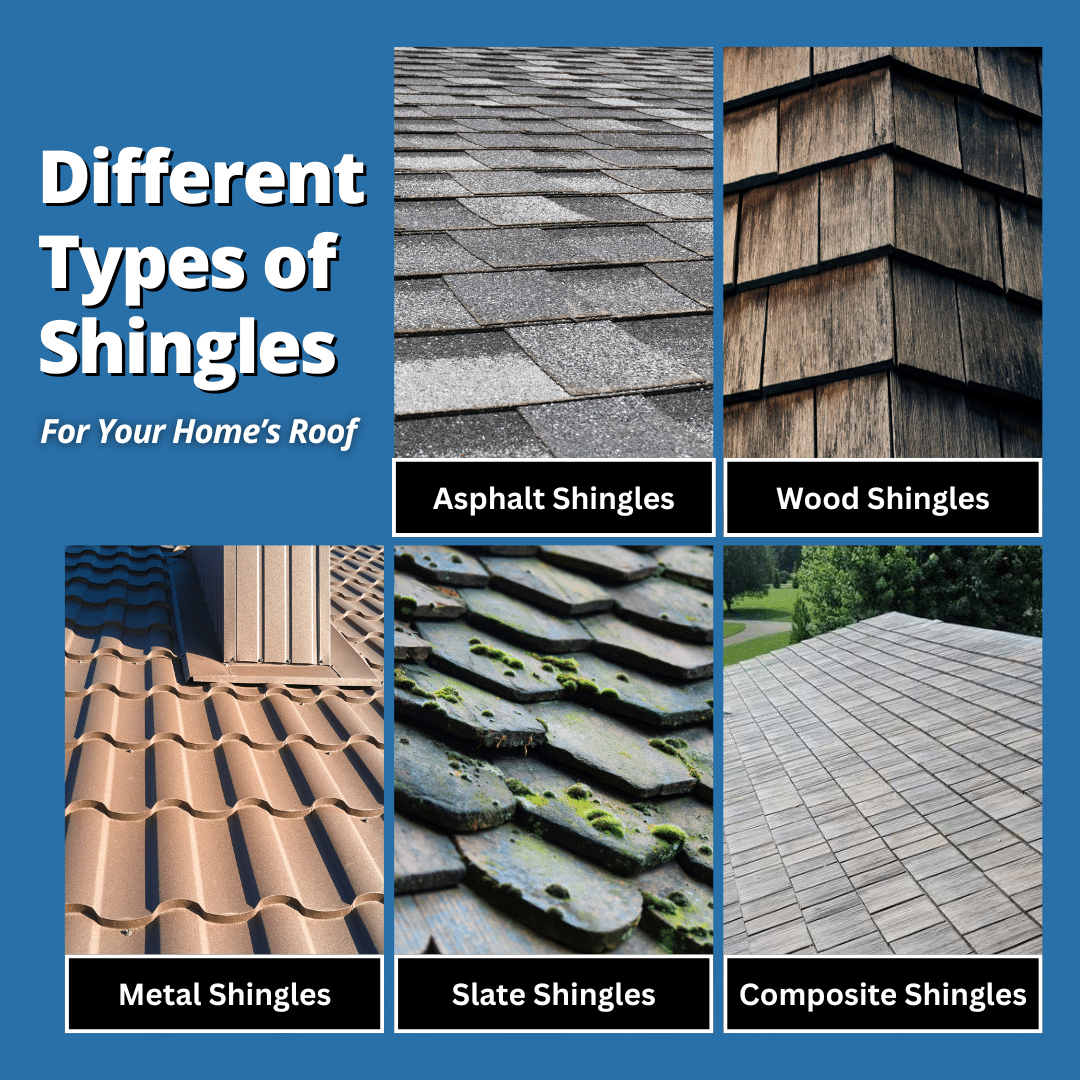
As a result, the most common residential roof shingle types include:
- Asphalt shingles
- Wood shingles and shakes
- Metal shingles
- Slate and tile shingles
- Composite or synthetic shingles
Therefore, each material responds differently to age, weather, and installation quality. As a result, inspectors look for different warning signs depending on the shingle type.
Asphalt Shingles and the Inspection Issues Most Often Found
Asphalt shingles fail faster due to heat, wind, and aging materials.
In fact, asphalt shingles are the most common roofing material in the U.S. They are affordable and widely available, which makes them popular for builders and homeowners. However, they are also more vulnerable to environmental wear.
Similarly, three-tab shingles are thin and lightweight. They usually last 15 to 20 years under ideal conditions.
Common Inspection Issues and Why They Occur:
- Curling edges caused by prolonged heat exposure
- Missing tabs due to wind uplift and weak sealing strips
- Granule loss from UV exposure and rain erosion
- Exposed nail heads from improper installation
Therefore, granule loss is one of the biggest concerns. Granules protect shingles from sunlight. Once they wear away, the shingle deteriorates much faster.
Architectural or Dimensional Shingles
Next, architectural shingles are thicker and layered. They offer better wind resistance and usually last longer.
Common Inspection Issues and Why They Occur:
- Lifted shingles from improper sealing during installation
- Uneven repairs that disturb water flow
- Hidden damage concealed by overlapping layers
- Flashing failures at chimneys and roof penetrations
While these shingles are more durable, installation quality remains the biggest factor in performance.
Wood Shingles and Shakes and Why Inspectors Flag Them
Wood shingles are vulnerable to moisture, pests, and fire concerns.
As a result, wood shingles and shakes are often made from cedar. Shingles are smooth and uniform, while shakes are thicker and rougher.
Common Inspection Issues and Why They Occur:
- Rot and decay from moisture absorption
- Cracking and splitting as wood dries and contracts
- Moss and algae growth due to shaded or damp conditions
- Insect activity because wood is an organic material
At the same time, humidity and poor ventilation make these issues worse. In addition, some insurance companies limit coverage for wood roofs because of fire risk.
Metal Roof Shingles and Common Inspection Concerns
Metal shingles last a long time, but fasteners and movement cause most issues.
Therefore, metal shingles are designed to look like traditional shingles while offering durability and fire resistance.
Common Inspection Issues and Why They Occur:
- Loose fasteners caused by thermal expansion and contraction
- Corrosion around screws or exposed edges
- Failed sealants that dry out over time
- Improper flashing that allows water intrusion
Oftentimes, metal expands when heated and contracts when cooled. If the roof system does not allow for this movement, fasteners loosen, and leaks develop.
Slate and Tile Shingles and the Structural Risks Inspectors Watch For
Slate and tile roofs are durable but extremely heavy.
As a result, slate and tile shingles are known for their long lifespan. Many last 50 years or more. However, they weigh far more than asphalt or metal.
Common Inspection Issues and Why They Occur:
- Cracked tiles from foot traffic or falling debris
- Slipped tiles due to failed fasteners or aging underlayment
- Improper repairs using incompatible materials
- Structural stress on the roof framing is not designed for the weight
Inspectors also look for sagging rooflines, which can signal long-term structural strain.
Composite and Synthetic Shingles and What Can Go Wrong
Finally, composite shingles depend heavily on correct installation.
These shingles are engineered products designed to mimic wood, slate, or tile. They are lighter and often impact-resistant.
Common Inspection Issues and Why They Occur:
- Improper fastening systems not matched to the product
- Inadequate underlayment is causing moisture intrusion
- Delamination from manufacturing or installation defects
- Incorrect spacing that disrupts drainage
Because composite products vary widely, inspectors focus on visible defects rather than manufacturer claims.
Roof Shingle Types and Common Issues
|
Shingle Type |
Typical Lifespan |
Most Common Inspection Issues |
|
Asphalt Three-tab |
15 to 20 years |
Curling, granule loss, and missing tabs |
|
Asphalt Architectural |
25 to 30 years |
Lifted shingles, flashing issues |
|
Wood Shingles |
20 to 30 years |
Rot, cracking, moisture damage |
|
Metal Shingles |
40 to 70 years |
Loose fasteners, corrosion |
|
Slate or Tile |
50+ years |
Cracking, structural stress |
|
Composite |
30 to 50 years |
Installation errors, delamination |
How Homeowners Can Care for Their Roof and Prevent Common Issues
Routine care reduces the likelihood of inspection findings.
Simple steps include:
- Checking the roof visually after storms
- Keeping gutters clear
- Trimming nearby branches
- Ensuring proper attic ventilation
- Avoiding untrained roof repairs
Many roof problems noted during inspections are preventable with basic maintenance.
How Roof Shingle Problems Show Up in a Home Inspection Report
Inspectors document visible defects and risk indicators.
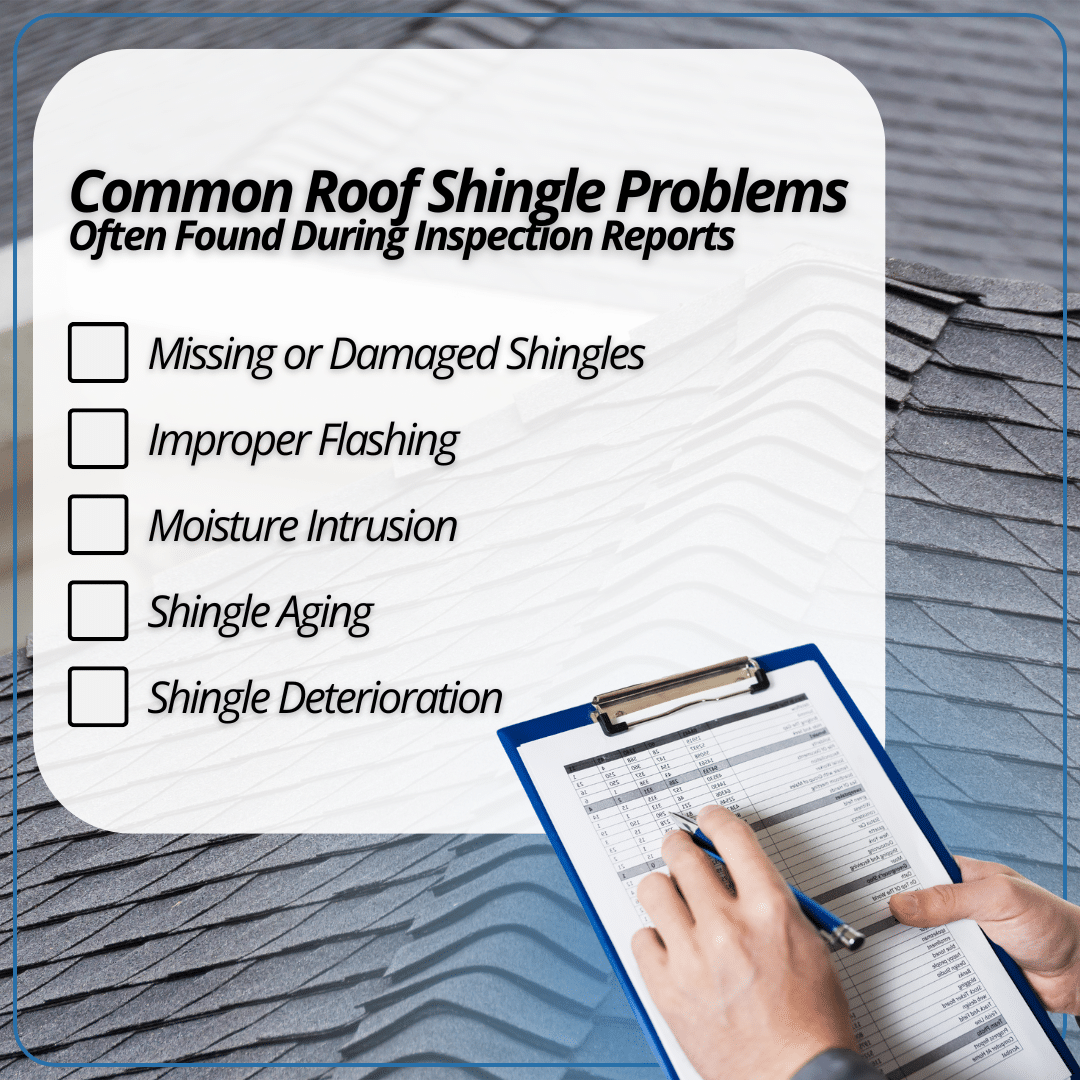
Reports commonly note:
- Missing or damaged shingles
- Improper flashing
- Signs of moisture intrusion
- Advanced aging or deterioration
Home inspections do not pass or fail. Instead, they provide information to help guide decisions.
When Shingle Issues Mean Repair Versus Full Replacement
The extent of damage and roof age guide recommendations.
Repair Is Often Appropriate When:
- Damage is localized
- Shingles are relatively new
- Underlayment remains intact
Replacement Is Often Recommended When:
- Shingles are near the end of their lifespan
- Widespread damage exists
- Multiple repair layers are present
- Structural concerns are noted
Even minor defects can indicate deeper problems beneath the surface.
Why a Professional Home Inspection Matters for Roof Shingles
Inspectors identify warning signs homeowners may overlook.
A professional inspection evaluates North Carolina roofs based on:
- Shingle condition
- Installation quality
- Drainage and flashing
- Signs of moisture intrusion
Local experience matters. Climate patterns and regional building practices influence how roofs age and fail.
Related Questions
How long do different types of roof shingles typically last?
Asphalt shingles usually last 15 to 30 years. Wood shingles last around 20 to 30 years. Metal shingles often last 40 to 70 years, while slate and tile roofs can last 50 years or more. Composite shingles typically last 30 to 50 years, depending on installation, inspections, and maintenance.
What roof shingle problems are most common in older homes?
Older homes often show curling shingles, granule loss, cracking, mold, and uneven repairs. Multiple shingle layers and aging flashing are also common issues.
How do roof shingle issues affect a home inspection report?
Inspectors note visible damage, signs of wear, and potential moisture risks. Findings may lead to repair recommendations or further evaluation.
What roof shingle issues often delay or complicate home sales?
Missing shingles, visible damage, or roofs near the end of their lifespan commonly lead to repair real estate negotiations or delays.
How does roof ventilation affect shingle lifespan?
Poor ventilation traps heat, moisture, and humidity, which speeds up shingle deterioration and increases the risk of roof damage.
How do weather and storms affect roof shingles over time?
North Carolina’s sun exposure, wind, rain, and hail gradually weaken shingles and can cause damage that worsens if left unaddressed.
Conclusion
The different types of roof shingles on a home affect how the roof ages, its performance, and the issues that may appear during a home inspection.
Understanding these differences helps homeowners take better care of their roof and helps buyers and sellers avoid surprises.
If you are buying, selling, or maintaining a home, a professional inspection provides clarity and peace of mind. Q&A Home Inspections offers thorough, easy-to-understand roof evaluations tailored to local homes and conditions.