
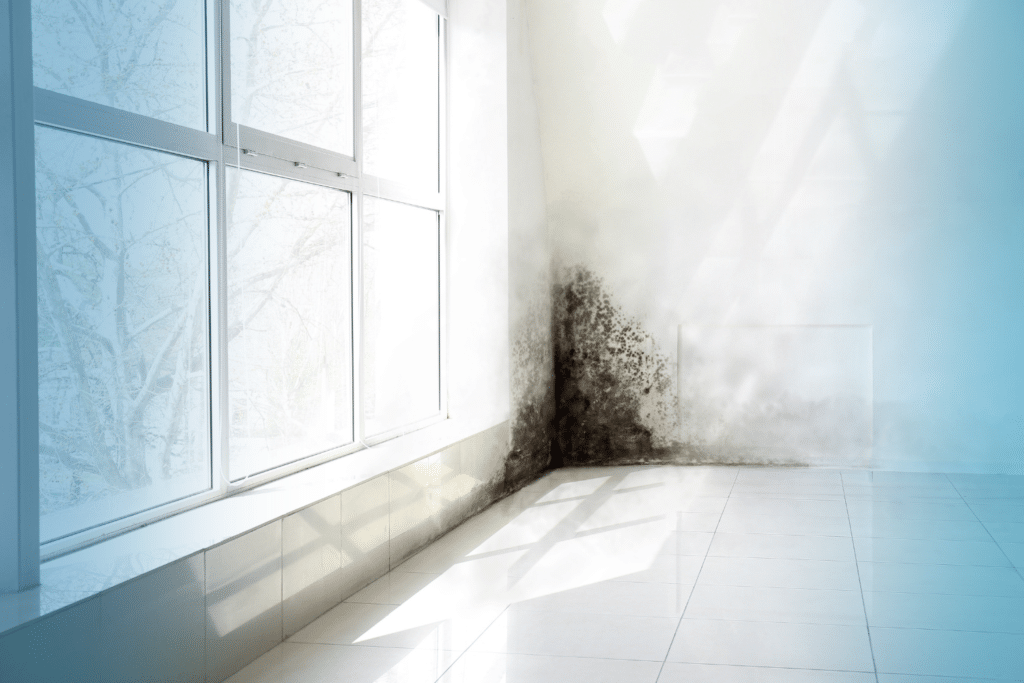
Clear Signs of Mold in Your House and When to Get an Inspection
The clear signs of mold in your house include musty smells, visible spots, water stains, peeling paint, condensation, soft building materials, and unexplained allergy symptoms.
If you notice even one of these warning signs, it is best to schedule a professional mold inspection so the problem can be confirmed and properly addressed before it spreads.
Mold grows fast when moisture is present. Once mold settles into drywall, wood, insulation, or flooring, it can spread throughout the home without being visible. This is why it is important to know the early signs and respond quickly.
Why Recognizing Signs of Mold in Your House Matters
Mold affects both your home and your health. Many homeowners do not realize mold is growing until there is a strong smell or visible damage.
By that time, the repair costs can be much higher. Mold can weaken drywall, rot wood framing, ruin insulation, and even damage HVAC systems. Catching mold early keeps the problem small and easier to correct.
Recognizing mold also protects indoor air quality. Some people are sensitive to mold spores, which may cause sneezing, headaches, and watery eyes. If the mold is not removed, symptoms may continue or get worse.
A professional inspection helps confirm whether mold is present, how severe it is, and what caused it. This allows homeowners to fix the root of the problem so mold does not return.
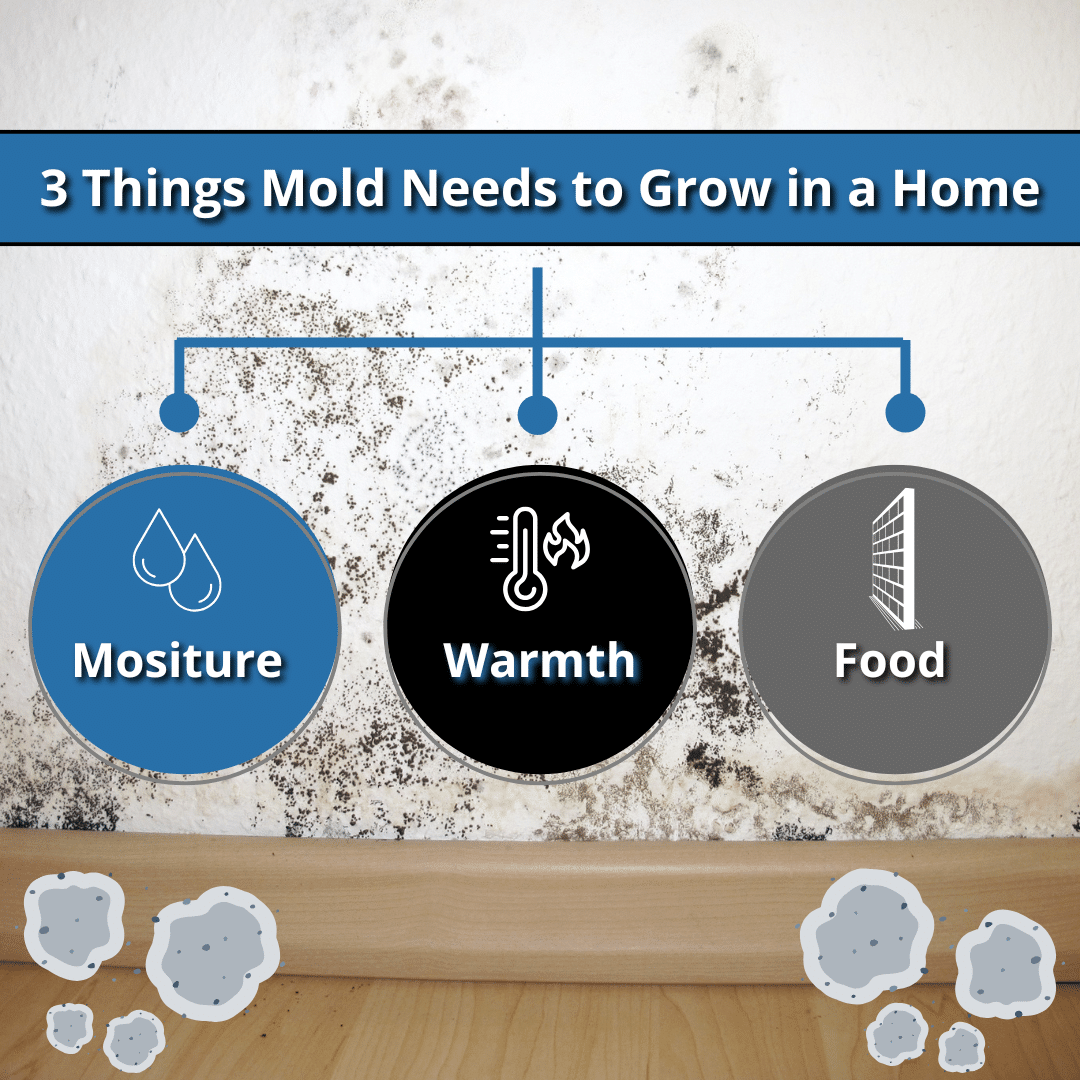
What Mold Needs to Grow in a Home
Mold grows when three things come together:
- Moisture
- Warm temperatures
- A food source, such as wood, drywall, carpet, or dust
These conditions are common in many homes, especially in North Carolina, where humidity is high for long parts of the year.
Bathrooms, attics, crawl spaces, kitchens, laundry rooms, and basements are the most common places for mold growth because they hold moisture longer.
Moisture may come from:
- Plumbing leaks
- Roof leaks after storms
- Poor ventilation
- High humidity
- Gaps around windows or doors
- Crawl space moisture rising into the home
When moisture sits for even 24 to 48 hours, mold can begin growing on surfaces. Understanding this helps homeowners stay alert to small problems before they become large ones.
Clear Signs of Mold in Your House You Should Never Ignore
These signs are the most common indicators that mold may be growing somewhere in the home.
1. Visible Spots or Discoloration on Walls and Surfaces
Mold often appears as small dots or patches. It may be green, black, brown, yellow, or white. Some mold looks fuzzy while other types look smooth. If a spot grows over time or spreads to new areas, it should be taken seriously.
Discoloration can also mean that moisture is trapped behind the wall. Even if mold is not visible, moisture may be creating the perfect conditions for it to grow.
2. A Musty or Damp Odor That Never Goes Away
A musty smell is one of the clearest signs of hidden mold. This smell often shows up in basements, closets, bathrooms, or near HVAC vents. If the odor gets stronger after it rains or when the air conditioner runs, moisture may be trapped inside the home.
3. Persistent Allergies or Respiratory Irritation Indoors
Many people experience mold symptoms before they ever see it. These include:
- Runny nose
- Itchy eyes
- Coughing
- Skin irritation
- Trouble breathing for sensitive individuals
If symptoms improve when leaving the home and get worse when returning, mold may be the cause.
4. Water Stains or Peeling Paint Around Windows and Ceilings
Water stains are strong indicators of a leak. Even if the stain has dried, mold may still be growing behind the stain. Paint that cracks or bubbles is another sign that moisture is collecting inside the wall or ceiling.
5. Condensation on Windows or Walls
When windows stay foggy or wet, this shows that humidity levels are too high. Water that runs down walls or trim will soak into materials and support mold growth.
6. Soft Spots in Flooring or Walls
Soft or sagging spots can mean the structure has been weakened by moisture. Mold often grows in these damp areas long before the damage becomes noticeable from the outside.
These signs tell homeowners that it is time to take action before mold spreads further.
Quick Guide to Common Mold Warning Signs
|
Warning Sign |
What It Means |
Why It Matters |
|
Musty odor |
Mold may be hidden in walls or floors |
Smell is often the first sign of a problem |
|
Discoloration |
Surface or behind-wall mold |
May indicate spreading moisture damage |
|
Water stains |
Active or past leak |
Mold begins growing within 24 to 48 hours |
|
Condensation |
High humidity |
Creates ideal conditions for mold |
|
Allergy symptoms |
Mold exposure |
Affects air quality and comfort |
|
Soft materials |
Long-term moisture |
Structural damage is possible |
Hidden Signs of Mold Most Homeowners Miss
Mold does not always show visible signs. Some of the most serious mold problems are behind walls or under floors.
Stains Around HVAC Vents
Dirt around vents may not be dirt at all. Moisture inside the system can allow mold to grow and spread through the home each time the system runs.
Warped Baseboards or Swollen Drywall
Drywall absorbs moisture like a sponge. If it becomes swollen, wavy, or soft, mold may be growing behind the surface.
High Indoor Humidity Even After Running AC
If humidity stays high, something may be trapping moisture inside the home. This can create mold behind walls, in crawl spaces, or in attics.
These hidden signs are often uncovered only during a professional inspection.
What Causes Mold Problems in North Carolina Homes?
Homes in North Carolina face several mold risks due to the climate and seasonal storms.
The most common causes include:
- Moist crawl spaces caused by soil moisture and limited airflow
- Roof leaks from heavy rain or wind
- Aging ventilation systems that do not remove humidity
- Hot summers that increase indoor humidity
- Bathroom moisture that does not vent properly
- Poor grading around the home that directs water toward the foundation
These conditions can make mold more likely, even in well-maintained homes.
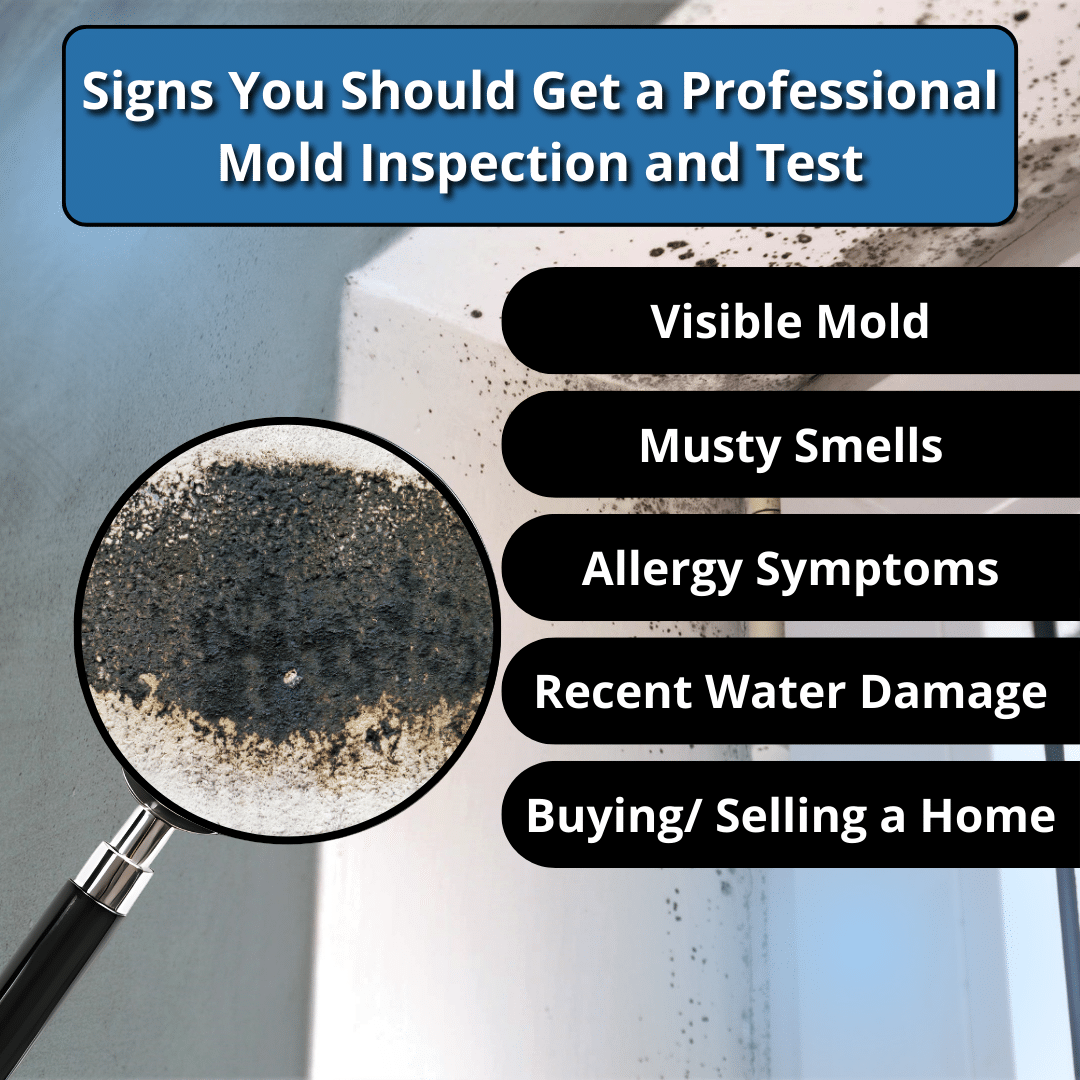
When You Should Get a Professional Mold Inspection
A mold inspection is recommended when:
- You see visible mold
- You notice musty smells that do not go away
- Someone in the home has worsening allergy symptoms
- You have had recent water damage
- You are buying or selling a home
- You want peace of mind after repairs
DIY tests cannot locate the actual source of moisture. Only a trained inspector can pinpoint where the problem started and how far it has spread.
In fact, if there has been a lot of water damage, and/or mold growth covers more than 10 square feet, you should consult an inspector.
What a Mold Inspection Includes and Why It Matters
A mold inspection does more than confirm mold. It identifies the entire problem from moisture to air quality.
A typical inspection includes:
- Moisture readings to detect damp materials that look dry
- Thermal imaging to find cold spots that show hidden leaks
- Surface sampling to identify mold types
- Air sampling to measure mold spores in the air
- Crawl space and attic review to check for moisture buildup
- Roof, gutter, and exterior inspection to detect entry points for water
How to Prevent Mold After an Inspection
Once you know where the mold came from, preventing it becomes much easier.
Helpful steps include:
- Keep humidity below 50 percent
- Use bathroom and kitchen exhaust fans
- Fix leaks as soon as they appear
- Clean and maintain gutters
- Improve ventilation in closed rooms
- Use dehumidifiers in damp areas
- Seal gaps around windows and doors
- Check crawl spaces regularly
These steps help create a dry, healthy home environment.
Related Questions
What does harmless mold look like compared to dangerous mold?
Harmless mold often appears as small, surface-level spots that do not spread quickly. Dangerous mold grows in larger patches, spreads fast, or appears black, green, or slimy. Only mold testing can confirm the type.
Can mold return after cleanup?
Yes. Mold will return if the moisture source is not fixed. Removing the mold is only half of the solution. Stopping the moisture prevents it from coming back.
How long does mold remediation take?
Most remediation projects take one to three days, depending on the size of the affected area and the cause of the moisture, such as high humidity.
Should I test for mold before buying a house?
Yes. Mold testing gives you a clear picture of the air quality and helps you avoid hidden problems that may be expensive to fix later.
Conclusion
If you see any signs of mold in your house, scheduling a professional inspection is the best way to protect your home. Mold grows quickly and can spread through walls, floors, and ducts without being visible.
A professional inspection will identify the source, confirm the severity, and provide clear guidance on what to do next.
Q&A Home Inspections provides detailed mold inspections, moisture evaluations, crawl space checks, and full home inspections. If you want a healthier and safer home, getting answers early is the best step.
Schedule your mold testing and inspection today to protect your home and peace of mind.