
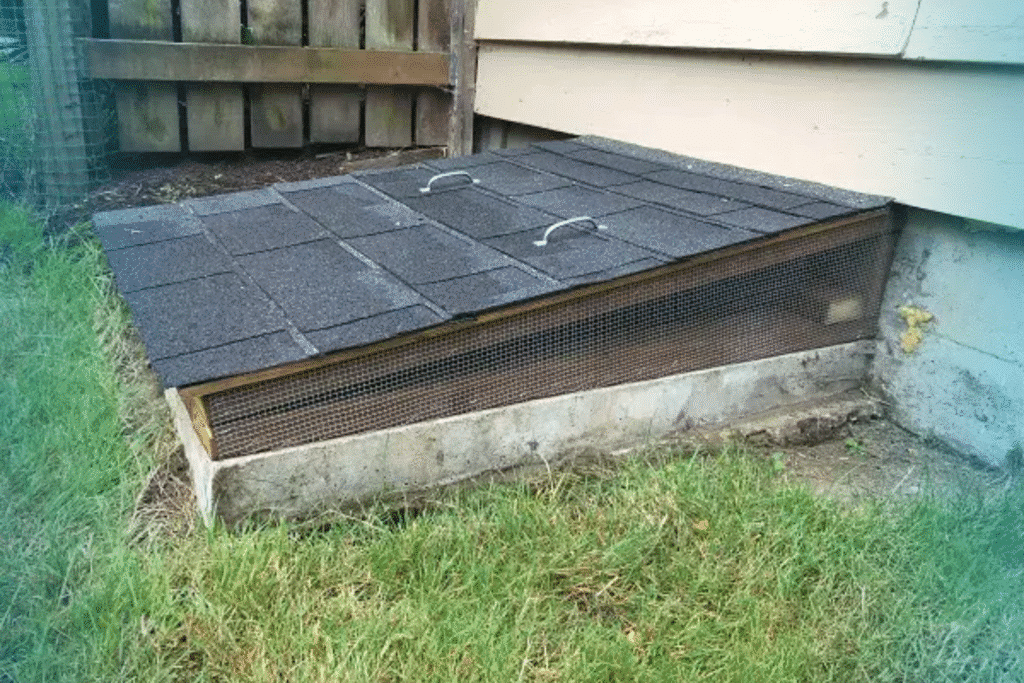
Best Crawl Space Cover Options for Moisture Control
Moisture control is one of the most important parts of maintaining a healthy home, especially for homeowners in North Carolina, where humidity levels stay high for much of the year. A simple and effective way to prevent mold and have moisture control is by installing a crawl space cover.
These covers block out damp air, pests, and rainwater, keeping the crawl space dry and improving your home’s air quality.
Whether your crawl space is vented or sealed, the right cover can make a noticeable difference in comfort, safety, and long-term maintenance.
In this guide, we’ll explore the best crawl space cover options for moisture control, how to choose the right one, and what mistakes to avoid.
What Is a Crawl Space Cover and How Does It Work?
A crawl space cover is designed to seal openings such as vents, access doors, and exposed ground areas. These covers prevent moisture, outdoor air, and pests from entering.
By keeping humid air and groundwater out, they help protect your foundation, improve indoor air quality, and extend the lifespan of your flooring and insulation.
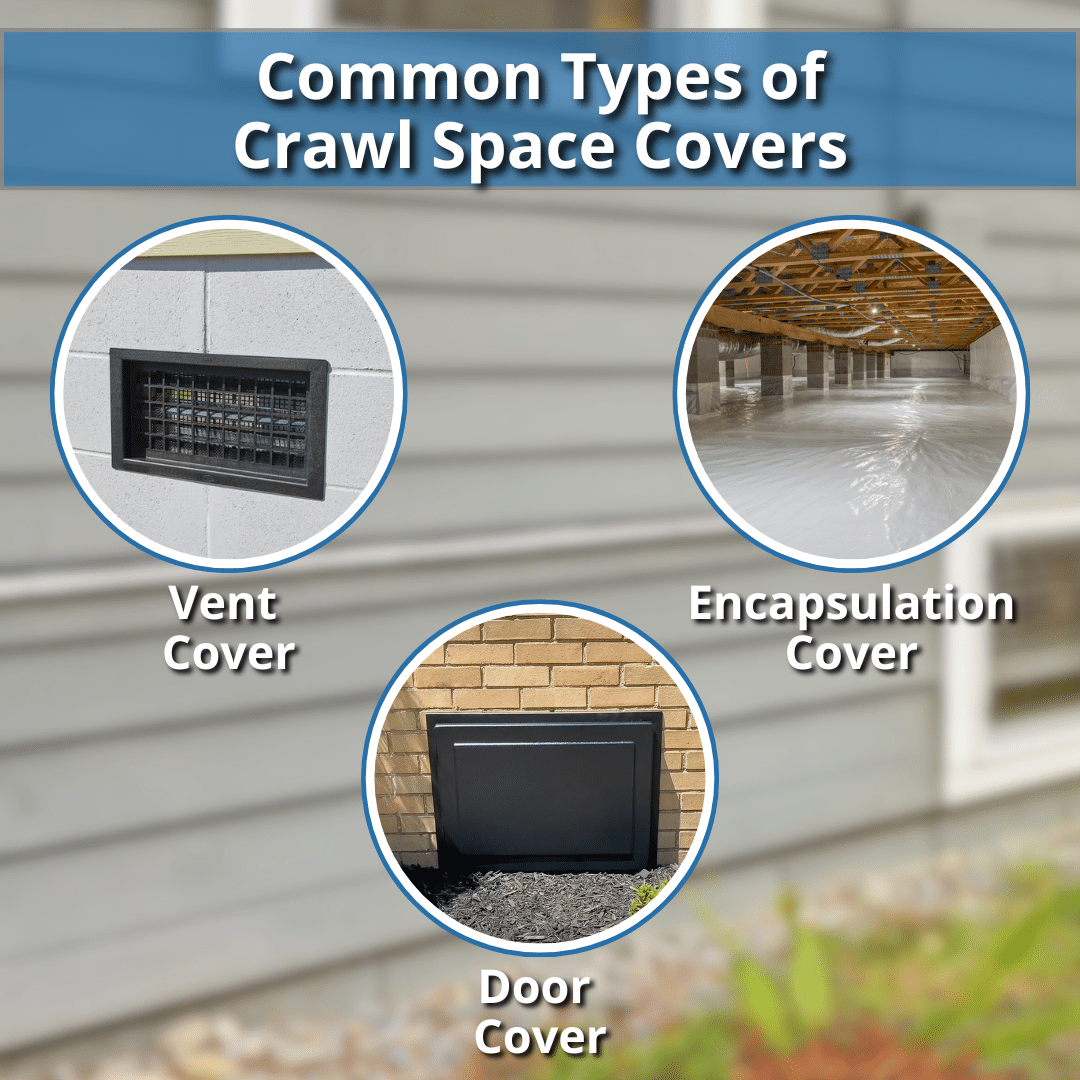
There are several main types of crawl space covers:
- Vent Covers: These block outside air and prevent pests from entering vent openings.
- Door Covers: Designed to seal crawl space entry points, stopping water and humidity from getting in.
- Encapsulation Covers: Heavy-duty vapor barriers that completely seal off the crawl space floor and walls for maximum protection.
When used properly, crawl space covers act like shields between your home and the outdoor environment. They regulate temperature, control humidity, and keep pests away.
Signs You Need a Crawl Space Cover
Not sure whether your home needs a crawl space cover? Look for these signs of moisture intrusion:
- Musty or damp smells: This usually means mold or mildew is starting to form.
- Visible mold or wood rot: Both are signs of trapped humidity.
- Condensation on pipes or insulation: Indicates that humid air is entering from outside.
- Pests in your crawl space: Moist areas attract rodents, termites, and insects.
- High indoor humidity: Moisture from below can affect the entire home.
When you notice one or more of these warning signs, schedule an inspection right away.
A home inspector can check for hidden leaks, improper ventilation, and gaps that allow air or water inside. Catching these problems early prevents costly foundation or insulation damage later on.
Best Crawl Space Cover Options for Moisture Control
Choosing the right crawl space cover depends on your local climate, crawl space condition, and budget. Below are the most effective options available today, including their benefits and best uses.
1. Solid Plastic Covers
Solid plastic covers are among the most common and affordable options. They’re made of rigid materials like PVC or ABS plastic and are designed to completely seal off vent openings.
- Benefits: Simple to install, long-lasting, and effective against pests.
- Best for: Homes in humid regions or areas prone to pest infestations.
- Considerations: They don’t provide insulation, so they’re best paired with other moisture control methods.
2. Insulated Foam Covers
These covers are made of closed-cell foam that not only seals vents but also helps insulate the crawl space. They maintain a consistent temperature and reduce humidity inside the home.
- Benefits: Helps lower energy costs, improves air quality, and prevents condensation.
- Best for: Homes with large vent openings or varying seasonal temperatures.
- Considerations: Slightly higher cost but better long-term performance.
3. Sealed Door Covers
Crawl space door covers are designed to fully seal off the crawl space entry. They’re built from strong, weather-resistant materials like plastic or composite wood and can be insulated for better moisture protection.
- Benefits: Blocks pests, rainwater, and outside air.
- Best for: Ground-level or exterior-access crawl spaces.
- Considerations: Must be properly installed to prevent gaps.
4. Full Encapsulation Systems
Encapsulation is the most thorough approach to crawl space moisture control. It involves sealing the entire crawl space with heavy vapor barriers on the floors and walls, often paired with a dehumidifier.
- Benefits: Full protection from humidity, mold, and air leaks.
- Best for: Homes with ongoing moisture or air quality issues.
- Considerations: Higher upfront cost but very low maintenance.
Crawl Space Cover Guide
When comparing crawl space cover options, consider how each one performs in terms of moisture control, insulation value, cost, and maintenance needs.
1. Solid Plastic Cover
- Moisture Control Level: Moderate
- Insulation Value: Low
- Cost Range: Around $20–$50
- Maintenance: Low
- Ideal Use Case: Best for sealing basic crawl space vents and keeping out pests.
2. Insulated Foam Cover
- Moisture Control Level: High
- Insulation Value: High
- Cost Range: Around $40–$100
- Maintenance: Low
- Ideal Use Case: Great for controlling humidity year-round and improving energy efficiency.
3. Sealed Door Cover
- Moisture Control Level: High
- Insulation Value: Medium
- Cost Range: About $75–$200
- Maintenance: Low
- Ideal Use Case: Perfect for crawl spaces with ground-level or outdoor access points that need strong moisture and pest protection.
4. Full Encapsulation System
- Moisture Control Level: Very High
- Insulation Value: Very High
- Cost Range: Starts around $1,500 and up
- Maintenance: Very Low
- Ideal Use Case: Best for homes with chronic moisture problems, mold issues, or poor indoor air quality.
How to Choose the Right Crawl Space Cover for Your Home
Selecting the right crawl space cover isn’t just about price. It’s about matching your home’s specific conditions and long-term needs.
1. Assess Your Local Climate
In humid states like North Carolina, moisture in the air is a year-round concern. Insulated foam covers or encapsulation systems are more effective than simple vent plugs.
2. Evaluate Crawl Space Conditions
If your crawl space has visible mold, leaks, or standing water, start with professional remediation and then install a moisture barrier or encapsulation.
3. Think About Longevity
Cheaper options may save money upfront, but they might not last in humid environments. Investing in durable covers provides lasting protection.
4. Get an Inspection First
A certified home inspector from Q&A Home Inspections can evaluate your crawl space and identify whether it needs sealing, vent covers, or a full encapsulation.
Common Mistakes Homeowners Make with Crawl Space Covers
Even with the best intentions, homeowners often make mistakes that reduce the effectiveness of their crawl space covers. These errors usually come from rushing the process, using poor-quality materials, or skipping key preparation steps.
Taking the time to do things right can make the difference between a dry, protected crawl space and one that continues to trap moisture.
Common Errors:
- Using thin plastic sheets: These materials might seem cost-effective, but they tear easily and don’t seal well. Thin plastic also allows vapor to pass through, which defeats the purpose of moisture control.
- Leaving vents unsealed: Even a single unsealed vent allows humid air to flow in, raising moisture levels and creating condensation. Make sure every vent and opening has a proper cover that fits tightly and blocks airflow.
- Skipping drainage repairs: Before sealing anything, address exterior water sources. If rainwater collects near the foundation or downspouts empty too close to the house, moisture will continue to find its way inside. Adding extensions to gutters and ensuring proper grading can make a major difference.
- DIY sealing without inspection: Sealing without understanding the full condition of your crawl space can trap existing moisture inside. Always inspect for leaks, standing water, and mold before covering vents or installing vapor barriers.
Quick Fix Checklist
If you’re planning to add or improve your crawl space cover, follow these steps to ensure it actually prevents moisture rather than trapping it:
- Choose Heavy-Duty Materials
Invest in thick, reinforced materials like 12- or 20-mil polyethylene sheeting for vapor barriers and weather-resistant plastic for vent or door covers. - Seal All Vents and Access Points:
Every vent, hatch, and door should be completely sealed using the right type of cover or insulation foam. - Inspect and Improve Drainage Around the Foundation:
Check the soil grading around your home to ensure it slopes away from the foundation. Clean gutters and extend downspouts at least four to six feet from the home. - Add a Dehumidifier if Needed:
In areas like North Carolina, where humidity levels are consistently high, even well-sealed crawl spaces may benefit from a dehumidifier. - Install a Vapor Barrier Correctly:
Lay vapor barriers smoothly over the soil without gaps or folds, overlapping seams by at least 12 inches. - Monitor Humidity Levels Regularly:
After installation, place a hygrometer or moisture sensor in the crawl space to track humidity. The ideal level should stay below 60 percent.
By following this checklist, you can avoid the most common crawl space moisture mistakes and get lasting protection. This proactive approach not only keeps your foundation dry but also helps maintain better air quality throughout your home.
Professional vs. DIY Crawl Space Cover Installation
Installing crawl space covers may seem simple, but professional installation ensures the job is done correctly and safely.
DIY Installation:
- Works for simple vent or door covers
- Costs less upfront
- May miss hidden leaks or airflow gaps
Professional Installation:
- Includes a full inspection for leaks and humidity sources
- Guarantees airtight sealing and proper ventilation
- Offers warranties and professional maintenance options
Hiring a professional like Q&A Home Inspections gives you peace of mind. They’ll ensure your crawl space covers fit properly, address existing moisture issues, and protect your foundation for years to come.
The Long-Term Benefits of a Quality Crawl Space Cover
A high-quality crawl space cover offers more than just moisture control. It contributes to the overall health and energy efficiency of your home.
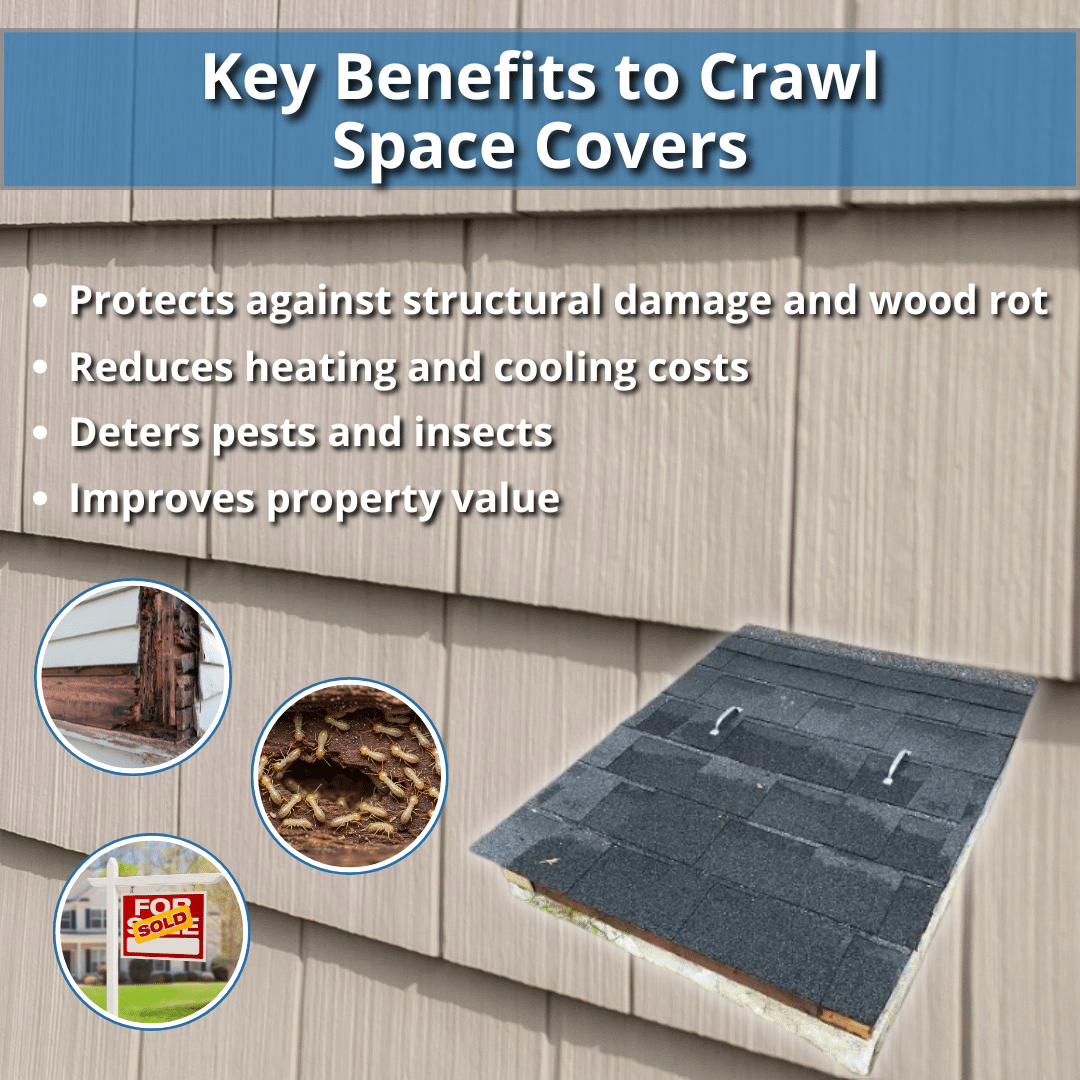
Key Benefits:
- Protects against structural damage and wood rot
- Reduces heating and cooling costs
- Keeps indoor air cleaner and more comfortable
- Deters pests and insects
- Improves property value and inspection reports
In fact, studies show that homes with sealed or encapsulated crawl spaces are more energy-efficient and have fewer pest infestations. For homeowners planning to sell, a dry and well-maintained crawl space signals quality to buyers and inspectors alike.
Preventive Maintenance and Annual Inspection Tips
Once your crawl space is sealed, regular maintenance keeps it performing well.
Maintenance Tips:
- Check covers yearly for cracks or loose seals.
- Keep gutters and downspouts clean to prevent foundation water buildup.
- Use a hygrometer to track humidity (keep it below 60%).
- Inspect insulation and vapor barriers for wear.
Related Questions
What’s the difference between a crawl space cover and encapsulation?
Encapsulation seals the entire crawl space with vapor barriers and insulation, while crawl space covers focus on sealing vents and access points.
Do crawl space covers help with energy efficiency?
Yes. By sealing humid air out, they reduce strain on your HVAC system and help maintain consistent indoor temperatures.
How often should I inspect my crawl space cover?
Once a year in North Carolina, or after major storms or heavy rain.
When should I replace my crawl space cover?
If you notice cracks, moisture buildup, mold, or damage, replace it immediately to prevent further issues.
When to Call a Professional
If you notice musty smells, high humidity, or visible mold, it’s time to call a certified professional. Q&A Home Inspections provides crawl space inspections, moisture testing, and full encapsulation recommendations for homeowners in North Carolina.
Their experienced inspectors:
- Evaluate existing crawl space conditions
- Identify leaks, gaps, and moisture sources
- Recommend cost-effective cover or encapsulation options
- Ensure long-lasting results backed by professional expertise
Getting help early saves you time, money, and future repair stress.
Conclusion
Moisture control is one of the best ways to protect your home’s foundation and indoor air quality.
Whether you choose a vent cover, sealed door, or full encapsulation system, the goal is the same: a dry, energy-efficient, and healthy home.
Q&A Home Inspections is here to help you make the best choice for your home. Schedule your crawl space inspection today to keep your foundation dry and your home protected for years to come.