
Is Low Water Pressure in Your House a Red Flag?
You turn on the shower and get a sad little trickle. Or the kitchen faucet blasts you like a fire hose. Either way, something feels off. And if you are in the middle of buying a home, that feeling deserves your full attention.
Water pressure in your house is one of the most overlooked signals during a home purchase.
Most buyers notice it for a second and move on. But in many cases, what feels like a minor inconvenience is actually pointing to something bigger hiding behind the walls or under the slab.
So, is low water pressure a red flag? Sometimes yes. Here is how to tell the difference.
What Is Normal Water Pressure in a House?
Normal water pressure in a house falls between 40 and 60 PSI (pounds per square inch).
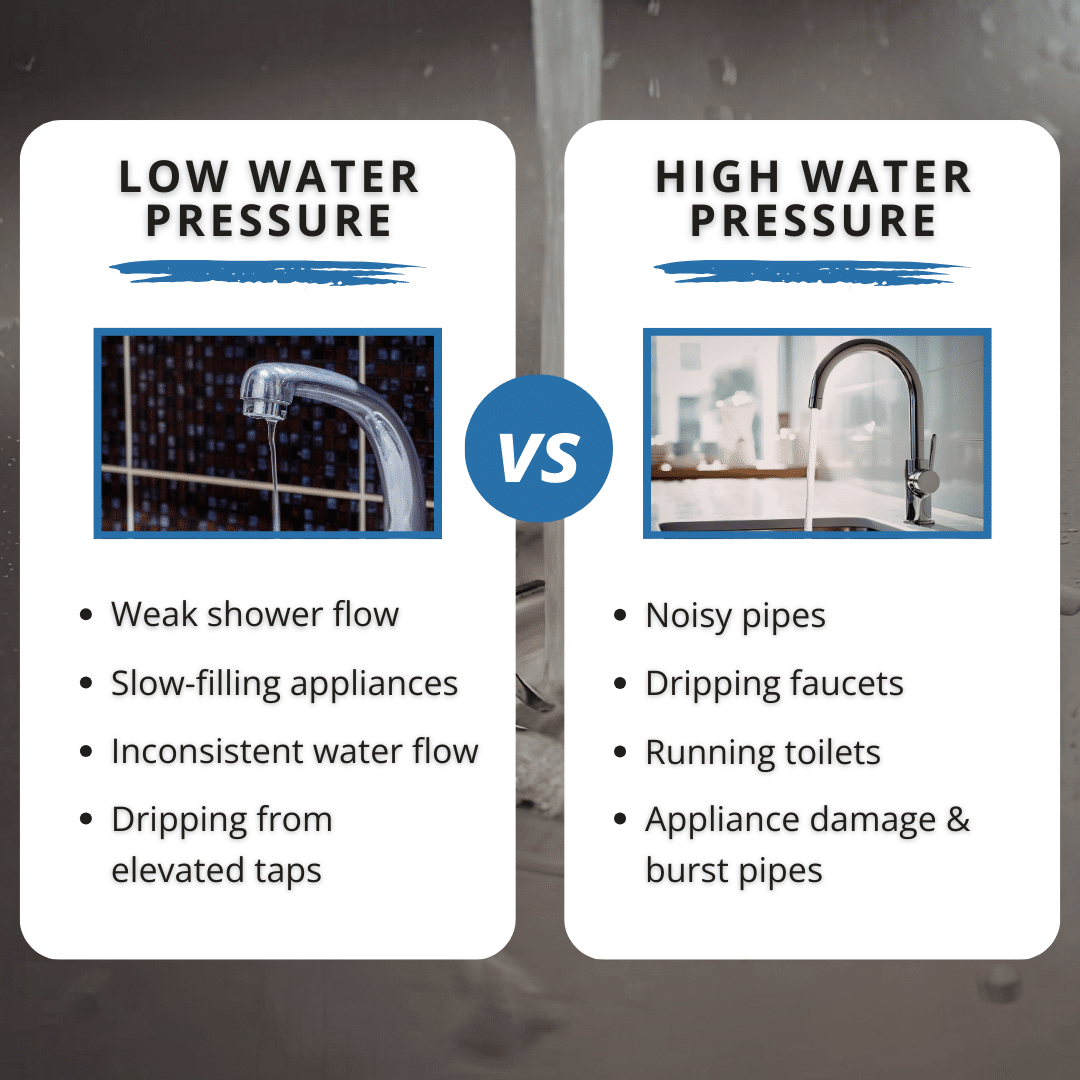
Most plumbing systems work comfortably in that range. Pressure below 40 PSI tends to feel weak and sluggish. Pressure above 80 PSI puts real stress on your pipes, fixtures, and appliances every single day.
The table below breaks it down at a glance:
|
PSI Range |
Status |
What It Means |
|
Below 40 PSI |
Too Low |
Weak flow, slow delivery, potential contamination risk |
|
40 to 60 PSI |
Ideal |
Normal pressure is healthy for pipes and appliances |
|
61 to 80 PSI |
Acceptable |
Still within range but worth monitoring |
|
Above 80 PSI |
Too High |
Pipe stress, leak risk, appliance damage |
Here is the part most homeowners miss: the average person has never actually checked their home’s water pressure. A simple gauge from any hardware store and about five minutes is all it takes to get a reading.
Your home inspector will test this during a standard home inspection, but knowing the baseline before you buy puts you in a much stronger position.
What Causes Low Water Pressure in a House?
Low water pressure in a house usually comes down to one of a few common causes. Some are easy fixes. Others signal a deeper plumbing problem that needs professional attention.
Common Causes of Low Water Pressure:
- A partially closed main shutoff valve or water meter valve
- A failing or worn pressure regulating valve (PRV)
- Corroded or aging pipes that restrict flow over time
- Mineral buildup and sediment deposits inside supply lines
- A municipal supply issue affecting the whole neighborhood
- A leak somewhere in the system that pulls pressure away from fixtures
In older homes throughout the NC Triad, corroded galvanized steel pipes are a frequent culprit. These pipes build up rust and scale on the inside over decades, which narrows the space water has to move through.
The result is steadily worsening pressure that often gets blamed on the city supply when the real problem lies inside the home.
Some low-pressure issues resolve quickly. A closed valve, a clogged aerator, or a PRV adjustment can bring pressure right back to normal with minimal cost.
But corroded pipes, hidden leaks, or systemic plumbing problems need professional attention and can significantly affect a home’s value and long-term livability.
Can Low Water Pressure in Your House Affect Water Quality?
Yes, and this is the part most buyers never hear about.
When pressure drops too low, it can create a condition called backflow. This happens when the pressure inside your pipes falls below the pressure outside them, which can allow contaminants from surrounding soil or neighboring pipes to seep back into your water supply.
Back-flow prevention devices exist for this reason, but not every home has them or maintains them properly.
Beyond back-flow, slow-moving or stagnant water inside low-pressure pipes creates a separate problem. It gives bacteria and biofilm a place to grow.
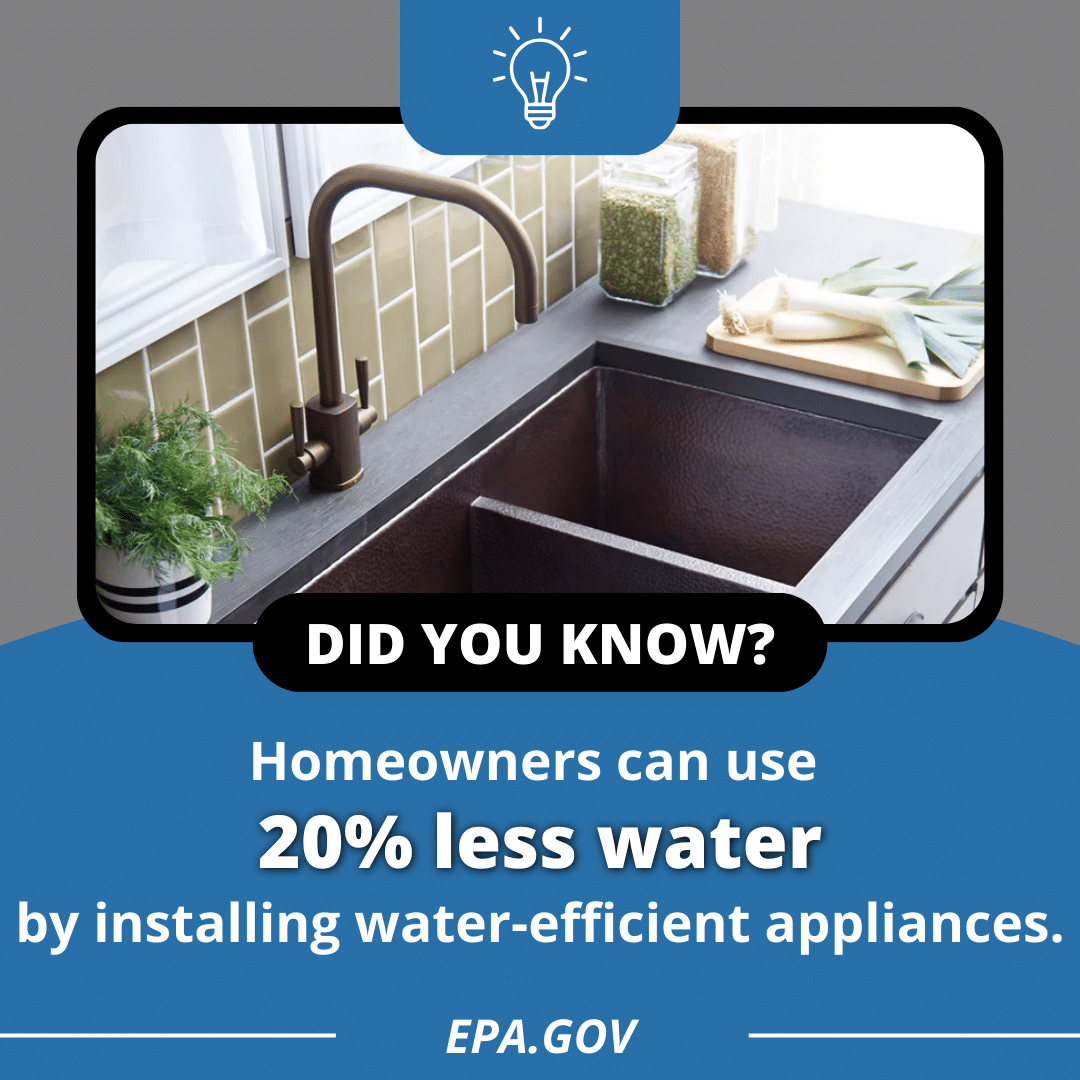
Additionally, according to the Environmental Protection Agency, homeowners can use 20% less water by installing water-efficient fixtures and appliances.
Healthy water flow keeps pipes clear and moving. Weak flow simply does not do that job.
Other Water Quality Concerns Tied to Low Pressure:
- Corrosion and rust from aging pipes can leach directly into your water supply
- Homes built before 1986 may contain lead-based solder or pipe fittings
- Sediment buildup in low-flow pipes can affect the taste and appearance of your water
- Discolored water, odd smells, or an unusual taste alongside low pressure are warning signs worth taking seriously
If a home you are considering is older and showing signs of low water pressure, asking about the pipe material and condition is a smart move. A home inspector can identify visible plumbing conditions that raise concerns.
For deeper water quality issues, a separate water quality test may be recommended as a follow-up step.
This is especially relevant in parts of Guilford and Forsyth County where housing stock from the 1950s through 1970s is still common. Many of those older supply lines were not built with today’s water quality standards in mind.
What Causes High Water Pressure in a House?
High water pressure is actually the sneakier problem of the two.
Low pressure is uncomfortable and obvious. High pressure often goes completely unnoticed, right up until something breaks. Municipal water mains can carry pressure as high as 200 PSI.
Without a properly functioning pressure-reducing valve (PRV) in your home, that force pushes directly into your pipes and fixtures every single day.
Signs You May Have High Water Pressure:
- Banging or knocking sounds in the pipes, known as water hammer
- Faucets or toilets that drip or run on their own
- Appliance hoses that wear out or fail faster than expected
- A water heater that does not last as long as it should
- Leaks appearing at pipe joints or fixture connections
A missing or failing PRV is almost always the culprit. Most homes should have one installed where the main water line enters the house. When that valve stops working correctly, pressure climbs quietly, and your plumbing pays the price over time.
Is Low or High Water Pressure a Red Flag When Buying a Home?
It depends on the cause, and that is exactly what a home inspection is designed to find out.
Not every pressure issue is a dealbreaker. A simple PRV adjustment, a cleared aerator, or a valve that was accidentally left partially closed can bring pressure back to normal with minimal cost.
These are easy fixes worth noting, not reasons to panic.
But when low or high pressure points point to corroded pipes, hidden leaks, or aging infrastructure throughout the home, the conversation changes. These are conditions that affect safety, long-term maintenance costs, and in some cases, insurability.
When Pressure Issues Become a Real Concern:
- Pressure problems show up in multiple areas of the home, not just one fixture
- Visible pipe corrosion, rust staining, or mineral buildup is present
- The home is older and has never had a plumbing assessment
- Water quality issues like taste, color, or odor accompany the pressure problem
- The inspector finds no PRV installed, or the existing one is clearly failing
A thorough inspection report will flag these findings clearly and help you decide whether to negotiate, request repairs, or walk away with full information in hand.
What Happens If You Ignore Water Pressure Problems?
Ignoring pressure problems rarely makes them cheaper to fix. Most plumbing issues follow the same pattern: slow, invisible damage that builds until something forces your attention, usually at the worst possible time.
What Unchecked Pressure Problems Can Lead To:
- Burst pipes and significant water damage to walls, floors, and ceilings
- A shortened lifespan of dishwashers, washing machines, and water heaters
- Mold and moisture intrusion from slow, ongoing leaks
- Higher monthly water bills from pressure inefficiency and hidden leaks
- Structural damage if water intrusion is left untreated for long enough
The goal here is not to scare anyone away from an older home or a fixable issue. The goal is to go in with accurate information so nothing surprises you after closing.
How a Home Inspection Catches Water Pressure Issues
A licensed home inspector tests water pressure as part of a standard plumbing evaluation. This is not a guess or a visual estimate. Inspectors use a calibrated pressure gauge at multiple points throughout the home to get an accurate reading and identify exactly where problems exist.
What Gets Checked During an Inspection:
- Static water pressure reading at an outdoor hose bib or main supply point
- Flow and pressure tested at multiple interior fixtures
- Visual inspection of visible supply lines, shutoffs, and the PRV
- Signs of corrosion, leaks, water staining, or mineral buildup
- Condition of the water heater and its supply connections
Everything the inspector finds gets documented in a written report with photos. That report becomes your roadmap, whether you are negotiating repairs with a seller, planning future maintenance, or simply making a confident and fully informed decision about the home.
What to Do If Your Home Inspection Flags Water Pressure
Getting a flag in your inspection report is not a crisis. It is information, and information is exactly what protects you. Here is a clear path forward once pressure issues show up in a report.
Steps to Take After an Inspection:
- Review the report carefully and note whether the issue is isolated or happening throughout the home
- Ask your inspector which items are manageable and which require a licensed plumber
- Get a plumber’s estimate for any repairs before closing, so you understand the actual cost
- Use the findings to negotiate with the seller, whether for a price reduction or repair credits
- Request a re-inspection after repairs are completed to confirm the work was done correctly
If the issues trace back to the municipal supply, calling the local water authority is a smart first step. They can confirm whether pressure fluctuations are coming from their end and whether it is a known or temporary issue in your area.
For plumbing repairs inside the home, always work with a licensed plumber. Fixing it right the first time is far less expensive than fixing it twice.
Related Questions
What PSI is too low for a house?
Anything below 40 PSI is generally considered low. You may start noticing weak flow at showers and kitchen faucets, and your appliances will work less efficiently. Below 30 PSI, everyday tasks become a real frustration, and the risk of plumbing issues increases.
Can a home fail inspection because of water pressure?
Home inspections do not produce a pass or fail grade. Instead, inspectors document conditions and flag concerns. Water pressure outside the normal range will appear in the report, and it is up to the buyer and their agent to decide how to respond to that finding.
Is low water pressure covered by homeowner’s insurance?
Typically, no. Homeowner’s insurance covers sudden and accidental damage, not gradual plumbing deterioration or ongoing pressure issues. That is one more reason catching these problems with a home inspection before you buy matters so much.
How much does it cost to fix water pressure problems?
Costs vary widely depending on the cause. Replacing a PRV typically runs a few hundred dollars. Clearing a clogged aerator costs almost nothing. Replacing corroded supply lines or water heaters throughout an older home is a much larger project.
Can low water pressure make tap water unsafe to drink?
It can be a contributing factor, especially in older homes with aging pipes. Low pressure increases back-flow risk and can allow sediment or bacteria to build up in slow-moving water lines. If you notice any change in taste, smell, mold, or color alongside low pressure, a water quality test is a wise next step, alongside a plumbing inspection.
Conclusion
Water pressure in your house is easy to overlook during a walkthrough. But it is one of the clearest windows into how a home’s plumbing system has actually been maintained over the years.
A professional home inspection gives you the full picture. Q&A Home Inspections serves homebuyers, sellers, and homeowners across Greensboro, High Point, Winston-Salem, and the surrounding Piedmont Triad area.
Our inspectors test water pressure at multiple points, document every finding, and walk you through what it all means in plain language.
You deserve to go into closing with confidence, not questions.